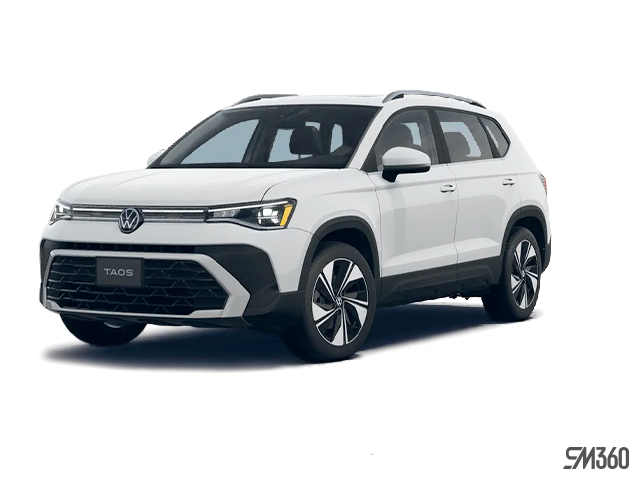
Photo for illustrative purposes only.
Find out more
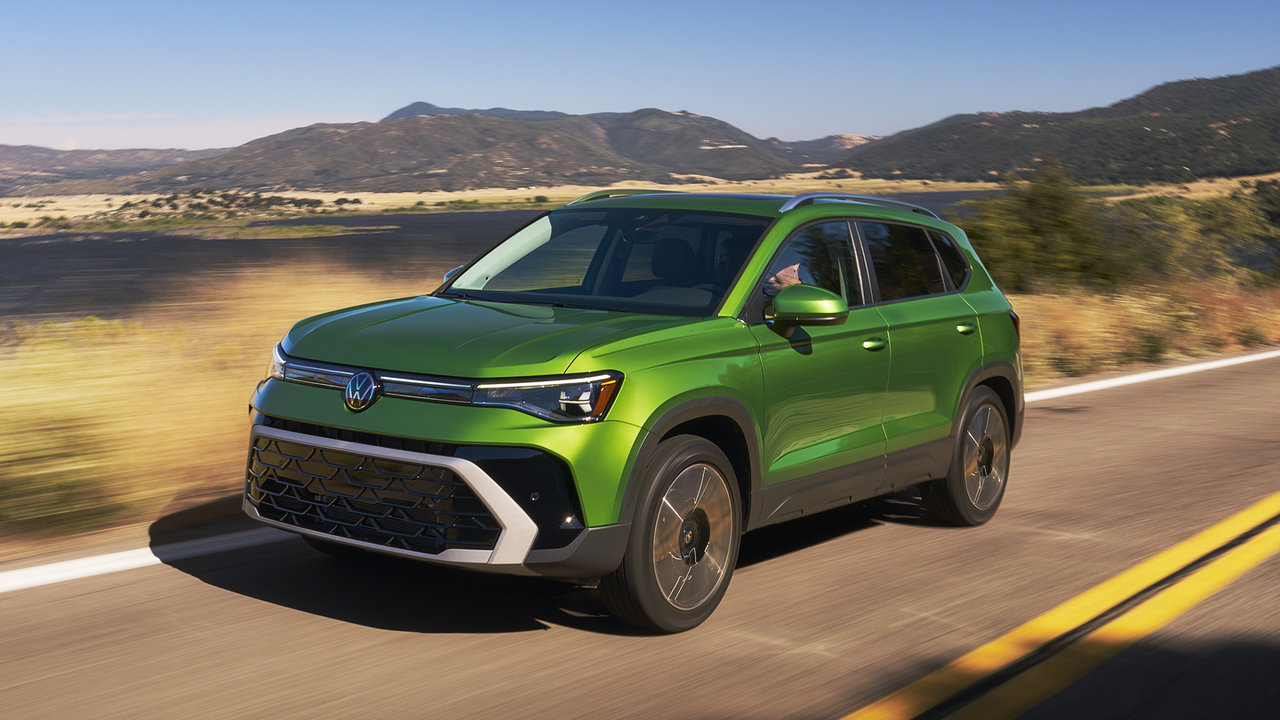
October rain, gravel pull-offs and a steady climb toward the mountain passes: British Columbia driving asks a compact SUV to handle more than a flat commute. The Taos lineup splits on one decision, and it starts with which wheels get the power.
The entry Trendline comes as front-wheel drive. Every other trim, and a second Trendline, comes with 4MOTION all-wheel drive. Here is what actually changes, and what stays the same.
|
Feature |
Trendline FWD |
Taos 4MOTION |
|
Wheels driven |
Front |
All four |
|
Driving Profile Selection |
Not available |
Standard |
|
ECO driving mode |
Not available |
Standard |
|
Hill assistance |
Hill Hold Assist |
Hill Hold Assist and Hill Descent Control |
|
Multi-link independent rear axle |
Not available |
Standard |
|
Base wheels |
17-inch Manali alloys |
18-inch Kentucky alloys (Trendline) |
|
Overall height |
1,638 mm |
1,654 mm |
|
Fuel economy, city |
8.3 L/100 km |
9.4 L/100 km |
|
Fuel economy, combined |
7.4 L/100 km |
8.4 L/100 km |
Fuel figures are NRCan method estimates.

The drivetrain choice does not change the core Taos. Both versions use the 1.5 L turbocharged 4-cylinder making 174 hp and 184 lb-ft of torque, paired with an 8-speed automatic. Same body, same 5-passenger seating.
So you are not trading room or hauling ability for traction. Rear-seat space is identical too, with 963 mm of second-row legroom and a 60/40 split-folding seat with a pass-through.
The front-wheel-drive Taos sends power to the front wheels only. 4MOTION drives all four, and that is the change you feel on a wet on-ramp, a loose gravel shoulder or a slick hill.
The electronics back it up. Driving Profile Selection lets you set the character of the drive, and Hill Descent Control joins Hill Hold Assist on 4MOTION versions. Steep, wet grades are common here, and the front-wheel-drive Trendline has the hold assist only.
Stability control, Front Assist automatic emergency braking and Travel Assist are standard on both, so the safety baseline is shared. The difference is how many wheels are working to keep you moving.
The hardware difference you can’t see is the rear suspension. 4MOTION Taos models carry a multi-link independent rear axle as standard; the front-wheel-drive Trendline does not list it.
The stance changes slightly too. The 4MOTION Trendline stands 1,654 mm tall on a 2,680 mm wheelbase, against 1,638 mm and 2,689 mm for the front-wheel-drive version. Track widths match at 1,569 mm front and 1,544 mm rear.
Wheels follow the drivetrain. The front-wheel-drive Trendline rides on 17-inch alloys with 215/55 R17 all-season tires. The 4MOTION Trendline steps up to 18-inch alloys with 215/55 R18 all-season tires. Higher trims move on from there: 18-inch Fiji alloys on Comfortline, 19-inch black alloys on the Black Edition, and an optional 19-inch Portland alloy on Highline.
All-wheel drive uses more fuel. The 4MOTION Taos is rated at 8.4 L/100 km combined, and the front-wheel-drive version at 7.4 L/100 km. That is 1.0 L/100 km on the combined figure, and 1.1 L/100 km in the city (9.4 versus 8.3).
For a driver who sees mostly dry pavement year-round, that gap is worth weighing. For anyone whose route includes wet mountain grades, the added grip and hill-descent control answer a need the fuel figure does not measure. Both engines make the same 174 hp, so 4MOTION costs you a little fuel, not performance.
Choosing 4MOTION also opens the rest of the trim ladder. Comfortline adds a 10.25-inch Digital Cockpit Pro, remote start, wireless charging, SiriusXM, park distance sensors and an 8-way power driver seat. Highline adds ventilated front seats, satellite navigation and a premium audio system with a subwoofer.
The Black Edition brings 19-inch black wheels, an illuminated front light line and customizable ambient lighting in up to 10 colours. Heated front seats and a heated steering wheel are already standard on the entry trims of both drivetrains, and wireless Apple CarPlay and Android Auto ride along on all of them.

The Taos already gives you the same engine, cargo room and safety suite whichever drivetrain you choose. 4MOTION adds four-wheel traction, drive-mode selection, Hill Descent Control and an independent multi-link rear axle for a modest fuel-economy cost.
For drivers in British Columbia who face rain, hills and mixed surfaces in a single week, that is a better fit than front-wheel drive alone. It is also the drivetrain on every trim above the entry Trendline, so moving up in equipment never means giving up traction.
The 2026 Taos pairs a 174 hp turbocharged 1.5 L engine with 4MOTION all-wheel drive, a multi-link rear axle and 1,866 L of folded-seat cargo space. The result is a compact SUV built to handle wet roads and steep grades with a shared, familiar cabin.
Visit Journey Volkswagen in Coquitlam to book a test drive of the Taos 4MOTION and feel the traction on your own route.
Photo for illustrative purposes only.
Find out more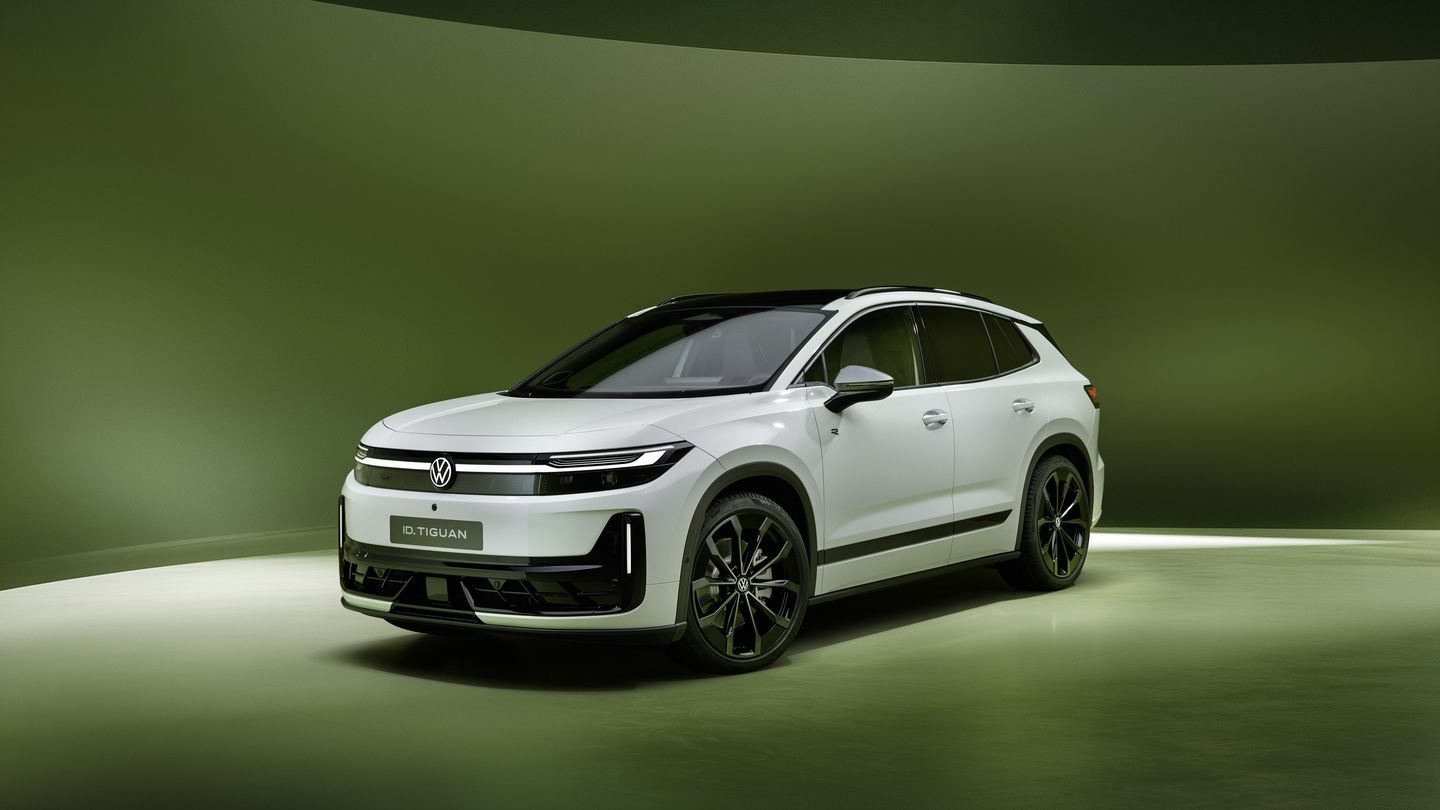
The ID. Tiguan Is Official: Everything Volkswagen Revealed About Its New Electric SUV
It’s official. Volkswagen has introduced the ID. Tiguan, a new all-electric SUV that brings the name of the brand’s global bestseller into the...
Read more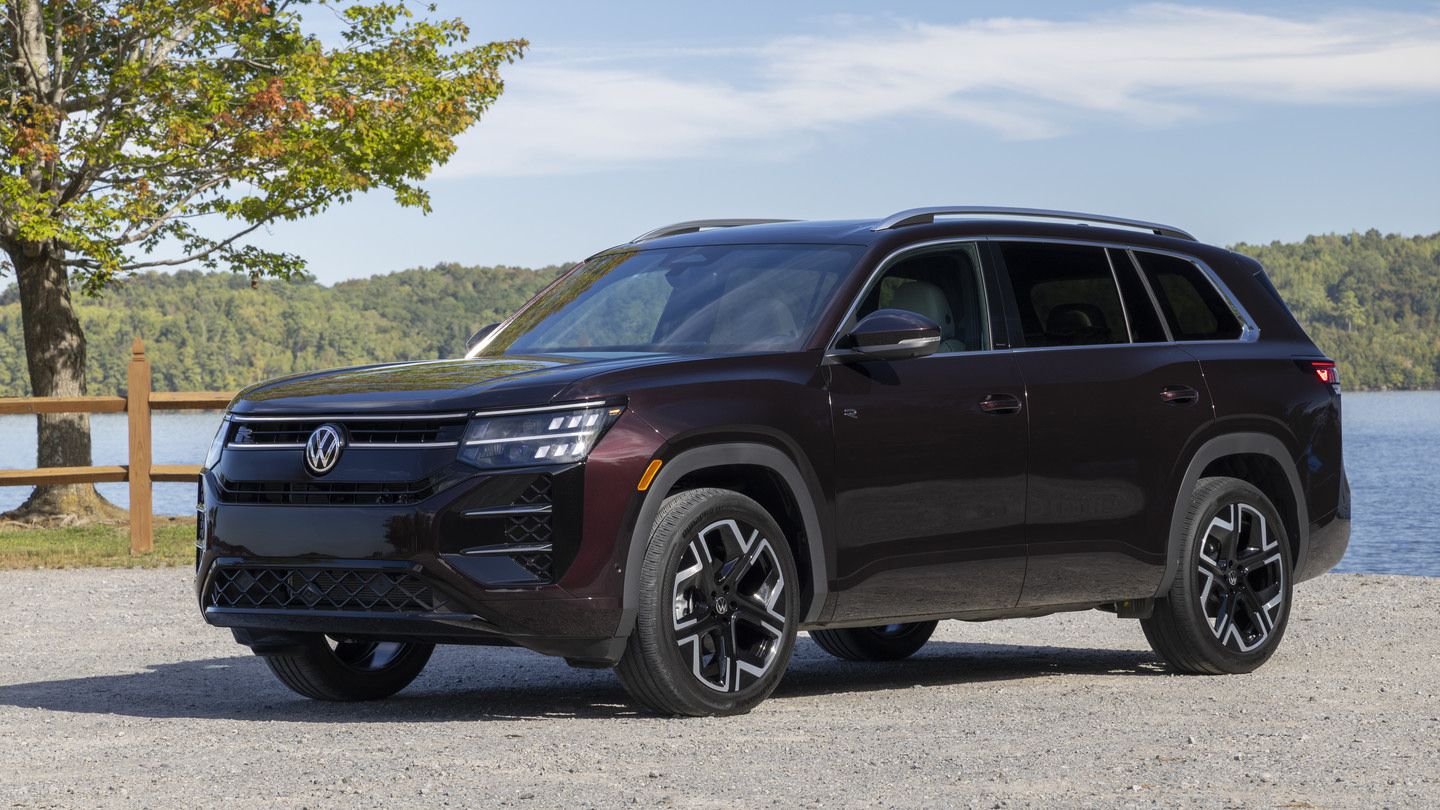
What to Check Before You Order a 2027 Volkswagen Atlas This Fall
Fall in British Columbia means school runs in the rain, weekend trips up the highway, and a lot of seats to fill. If you are weighing a three-row...
Read more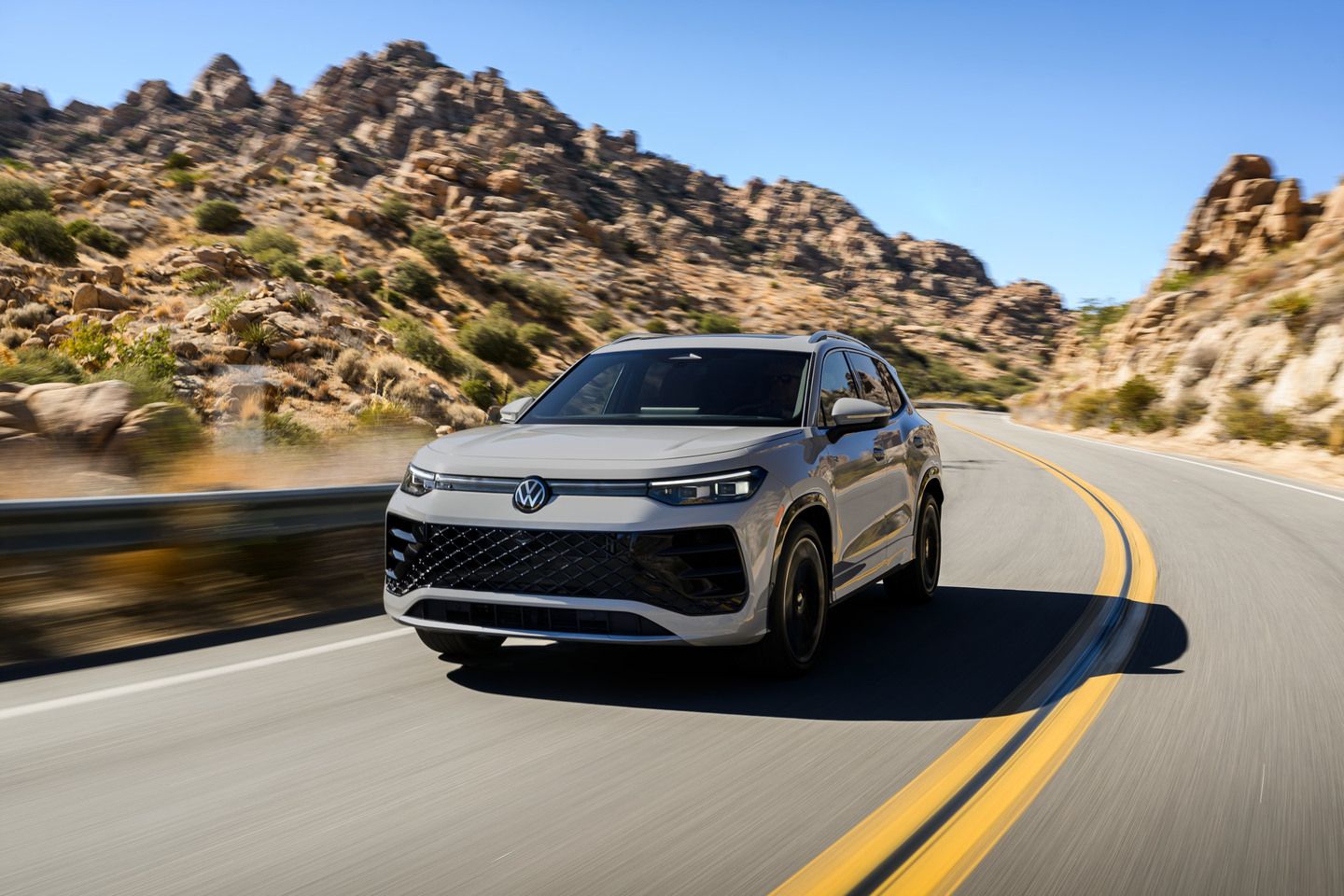
Every 15,000 km: What the 2026 Volkswagen Tiguan’s Service Schedule Involves
A Tiguan asks for a service visit every 15,000 km. For British Columbia drivers juggling wet commutes and weekend drives, that single number is the...
Read morePowered and developed by