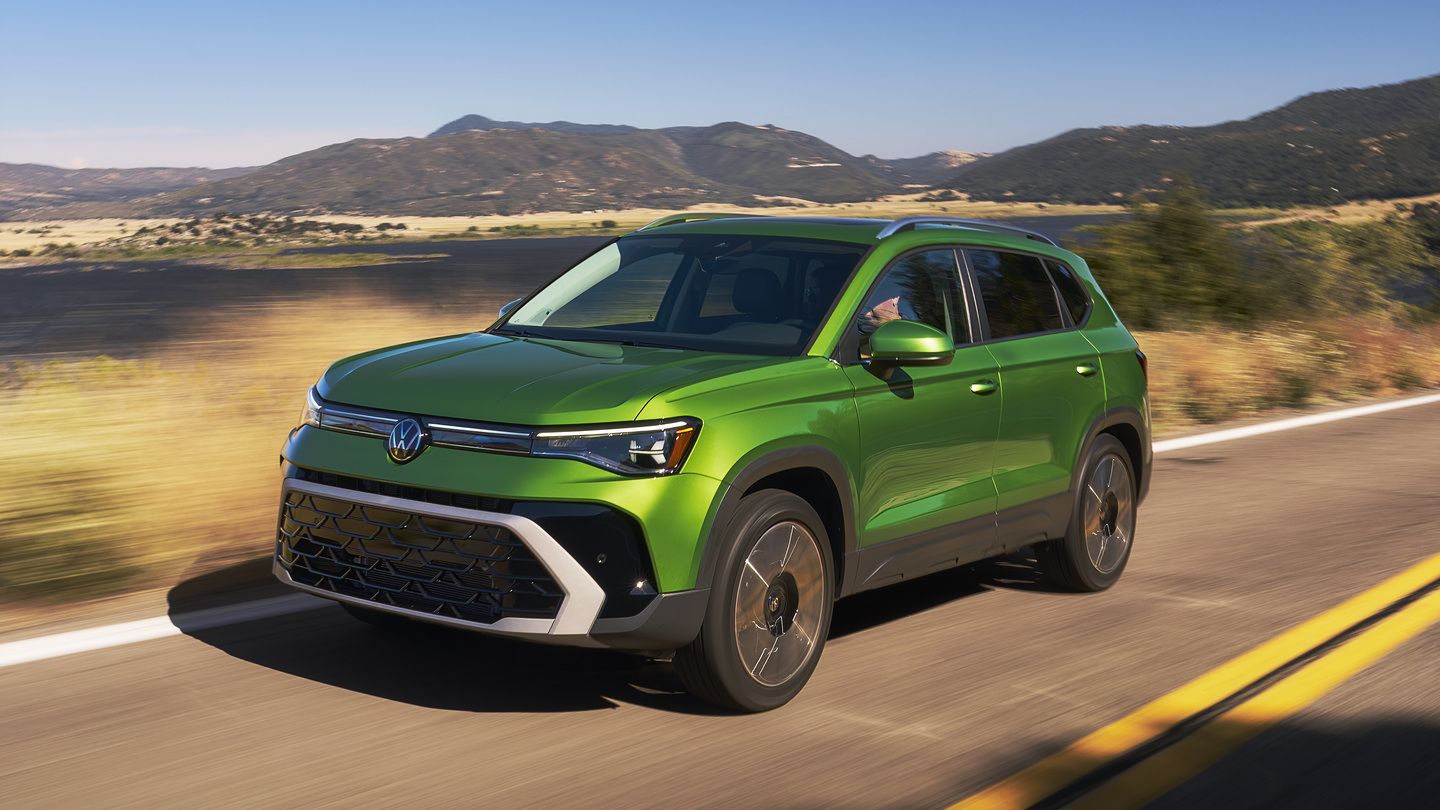
What the 2026 Volkswagen Taos Gains When You Move From Front-Wheel Drive to 4MOTION
October rain, gravel pull-offs and a steady climb toward the mountain passes: British Columbia driving asks a compact SUV to handle more than a...
Read more
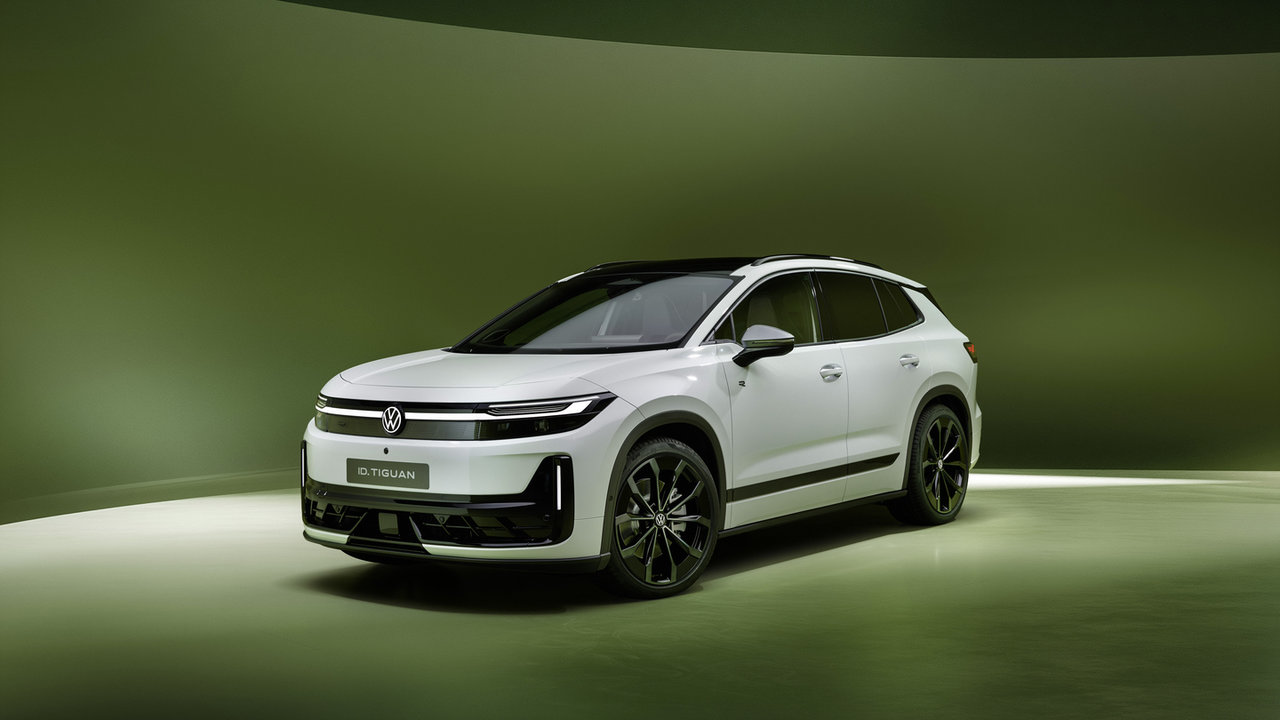
It’s official. Volkswagen has introduced the ID. Tiguan, a new all-electric SUV that brings the name of the brand’s global bestseller into the electric age. Volkswagen plans for it to succeed the ID.4, and it launches in Europe in early 2027.
That’s a lot of news in one reveal. This guide gathers every key detail Volkswagen shared, from batteries and towing to screens, buttons and the clever extras, so you can get up to speed in one sitting.
The ID. Tiguan is a five-passenger, mid-size electric SUV. It uses Volkswagen’s MEB+ electric platform and is built in Emden, Germany. In Europe, it will be sold in parallel with the gas-powered Tiguan, which is built in Wolfsburg.
Volkswagen has big hopes for this model. The Tiguan is the brand’s best-selling vehicle worldwide, and the ID.4 is one of its most successful electric vehicles. The ID. Tiguan takes over from the ID.4 with a new design, a new interior and a new name.

There are three versions of the ID. Tiguan:
Range depends on the power level and battery size. The best-rated version reaches up to 600 km on the European WLTP test cycle. In Europe, the ID. Tiguan will be offered in four equipment levels.
The ID. Tiguan is set up for everyday family life. Towing capacity reaches 3,968 lbs (1,800 kg) with the 58 kWh battery and 4,409 lbs (2,000 kg) with the 77 kWh battery.
Behind the rear seats, the cargo area holds up to 534 L. Up front, a 32 L frunk gives you an extra storage spot that stays separate from the main cargo area.
The ID. Tiguan follows Volkswagen’s Pure Positive design language. Its look moves away from the softer crossover style of the ID.4 toward a more powerful SUV shape. Precise lines and tightly sculpted surfaces give it a stable, high-quality appearance, and Volkswagen says it has the presence of a vehicle from the next class up. Classic pull-style door handles also return.
Inside, Volkswagen focused on material quality, a clean design and controls that sit right where you expect them. Elegant lighting effects add to the welcoming atmosphere.
Physical buttons are back for important functions. The basic climate controls use a button bar in the centre console. A centre console controller manages audio volume and station or track changes. The multifunction steering wheel uses physical buttons, the driver’s door has a redesigned window switch panel, and the interior door openers have a new ergonomic shape.
The ID. Tiguan has a new display layout:
The passenger display supports infotainment, information and games. In privacy mode, the driver cannot see it, and the passenger can listen through paired Bluetooth headphones.
Volkswagen added a fun twist with new “Retro” displays. Press the “View” button on the steering wheel, and the digital cockpit shows the blue and red gauges of the Golf IV. The left dial is a classic speedometer. The right dial looks like a rev counter but shows the energy flow of the electric drive. The central screen offers a matching view that you can personalize with one of six models from a virtual garage: Golf I, Golf II Country, Golf IV, Tiguan I, Race Touareg or Beetle.
One-pedal driving is standard, so you can slow down strongly with the accelerator pedal alone. The available Connected Travel Assist can handle assisted lane changes on highways and automatically stop the SUV at red traffic lights. These systems operate within their limits, and the driver remains responsible.
The available Digital Key lets a compatible smartphone lock, unlock and start the ID. Tiguan. You can share it with family, friends or coworkers through the Volkswagen app using a text message, messenger app or email. The available PowerSocket adapter plugs into the charging port so the ID. Tiguan can power outside devices, from electric grills to e-bikes.

Volkswagen also listed these comfort features as available: power front seats with massage, memory and ventilation; a 480-watt Harman Kardon sound system; a panoramic sunroof; and two Qi2 wireless charging pads with magnetic rings that hold compatible phones in place.
The ID. Tiguan will be built in Emden and launches in Europe in early 2027. After that launch, Volkswagen plans to share North American timing, pricing and model details.
|
Category |
ID. Tiguan |
|
Body Style |
Five-passenger mid-size electric SUV |
|
Platform |
MEB+ |
|
Power |
140 kW (188 hp), 210 kW (282 hp), 220 kW (295 hp) |
|
Drive |
Rear-wheel drive or 4MOTION all-wheel drive |
|
Battery |
58 kWh or 77 kWh |
|
Range |
Up to 600 km (European WLTP cycle) |
|
Towing |
Up to 4,409 lbs (2,000 kg) |
|
Cargo and Frunk |
Up to 534 L and 32 L |
|
Screens |
10-inch, 15-inch and available 12-inch passenger display |
|
European Launch |
Early 2027 |
Now that the ID. Tiguan is official, you probably have questions about what it means for your next electric SUV. Visit Journey Volkswagen of Coquitlam in Coquitlam to talk with our team about the ID. Tiguan and the Volkswagen electric lineup.
What the 2026 Volkswagen Taos Gains When You Move From Front-Wheel Drive to 4MOTION
October rain, gravel pull-offs and a steady climb toward the mountain passes: British Columbia driving asks a compact SUV to handle more than a...
Read more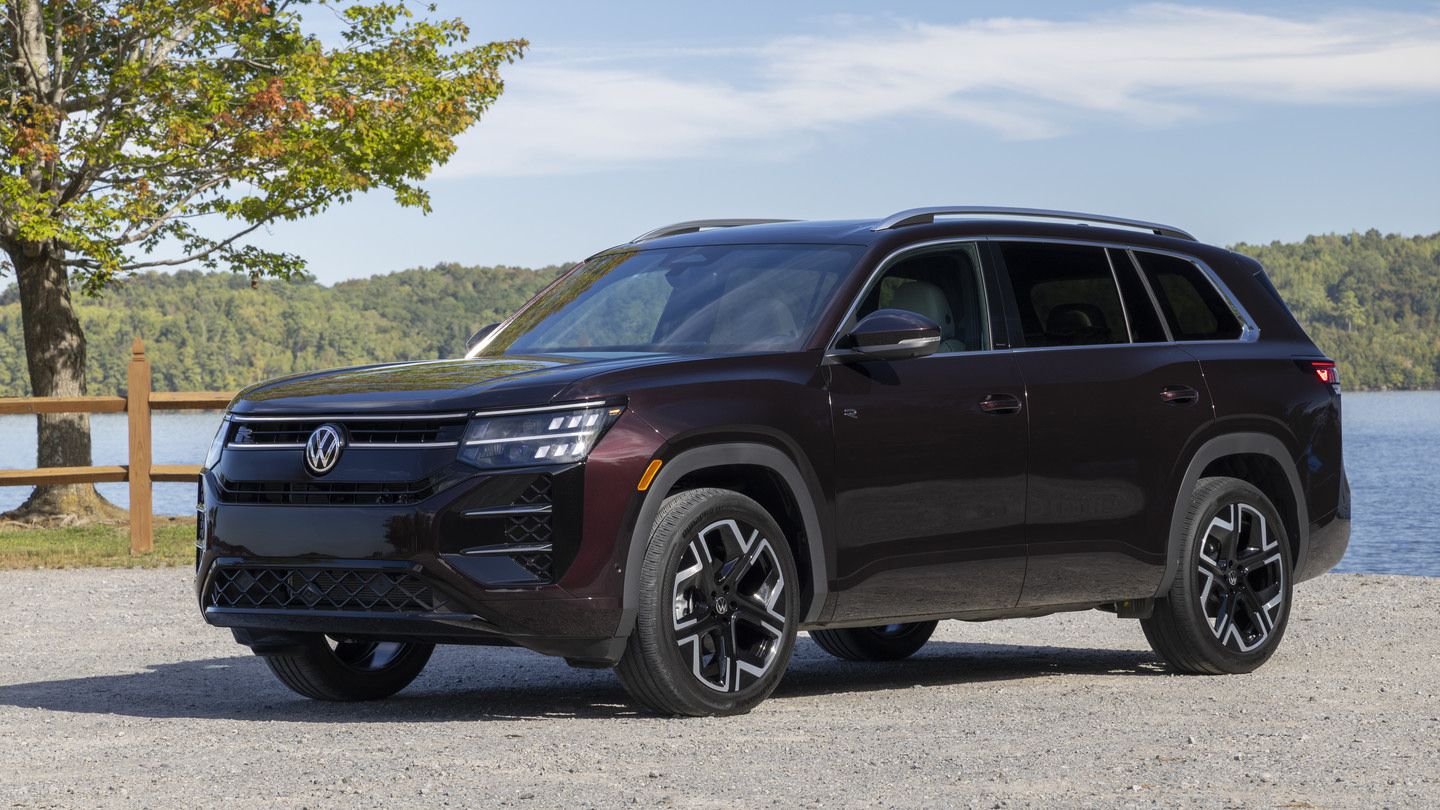
What to Check Before You Order a 2027 Volkswagen Atlas This Fall
Fall in British Columbia means school runs in the rain, weekend trips up the highway, and a lot of seats to fill. If you are weighing a three-row...
Read more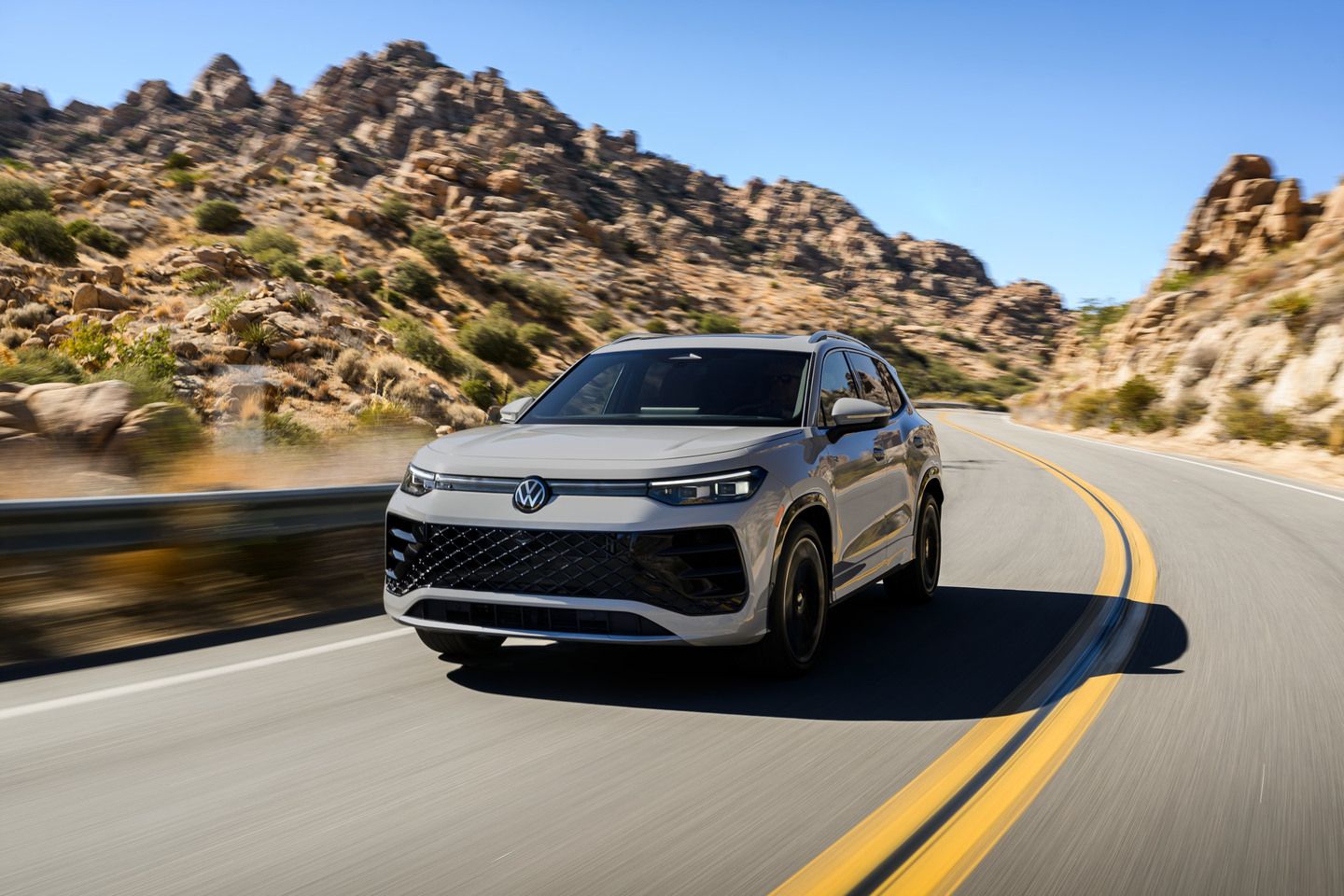
Every 15,000 km: What the 2026 Volkswagen Tiguan’s Service Schedule Involves
A Tiguan asks for a service visit every 15,000 km. For British Columbia drivers juggling wet commutes and weekend drives, that single number is the...
Read morePowered and developed by