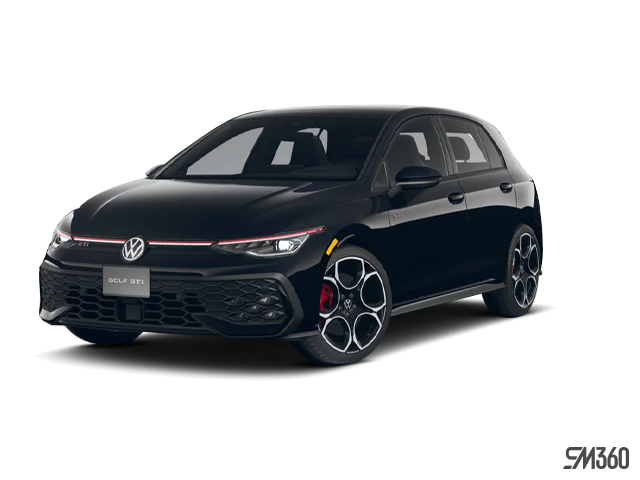
Photo for illustrative purposes only.
Find out more
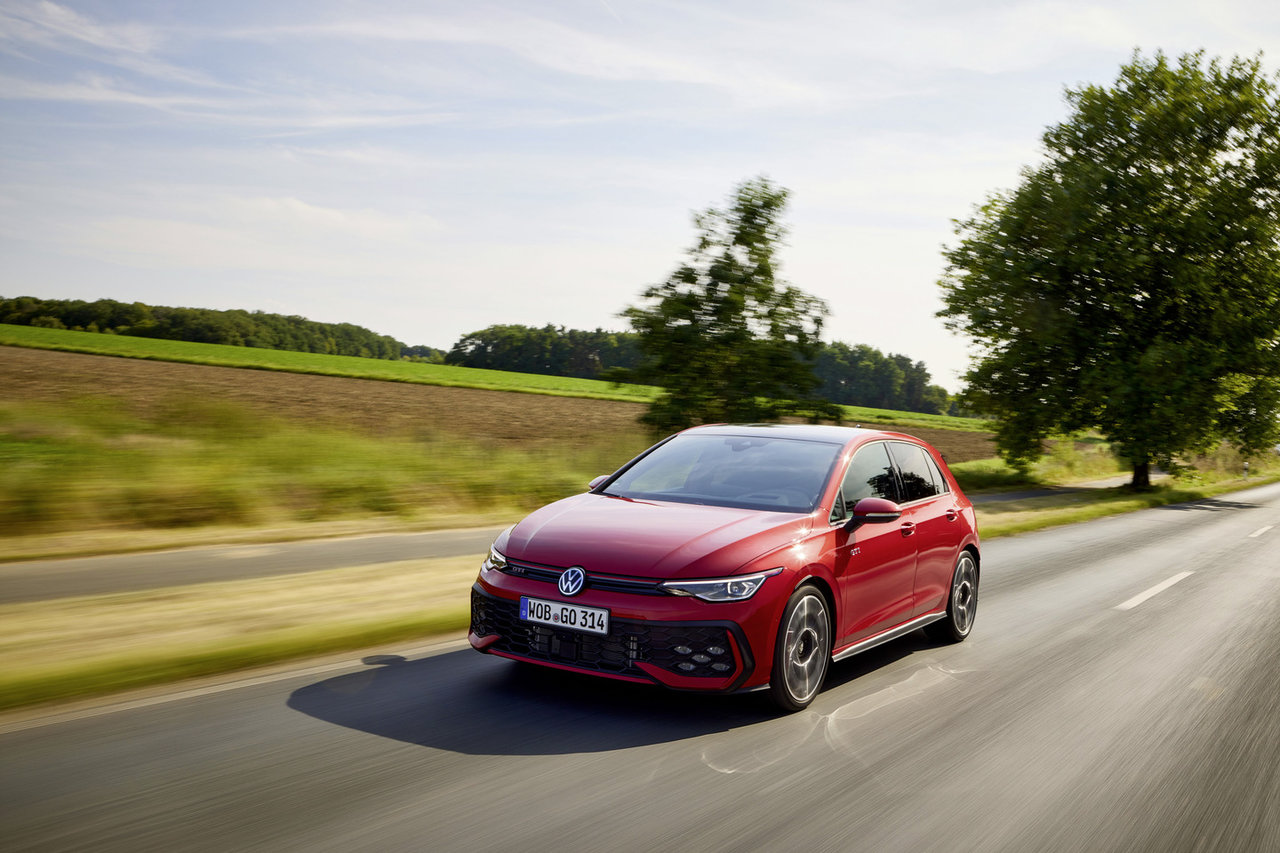
The 2026 Golf GTI and Golf R share a platform, a body, and the same 2.0 TSI engine family — but they deliver very different driving experiences. One is a front-wheel-drive hot hatch with 241 hp and a balance of everyday practicality and weekend fun. The other is a 328 hp all-wheel-drive performance car with a rear-axle torque vectoring differential that actively shapes how it corners. Both are genuinely capable. The right choice depends on what you're actually looking for.
This comparison walks through the key differences so you can match the right car to the way you drive.
|
Specification |
Golf GTI |
Golf R |
|---|---|---|
|
Engine |
2.0 TSI EA888evo4 4-cylinder |
2.0 TSI EA888evo4 4-cylinder |
|
Horsepower |
241 hp |
328 hp |
|
Torque |
273 lb-ft |
295 lb-ft |
|
Transmission |
7-speed DSG |
7-speed DSG |
|
Drive System |
Front-wheel drive (FWD) |
4MOTION AWD + rear torque vectoring |
|
Fuel Economy (combined) |
8.8 L/100 km |
9.3 L/100 km |
|
Fuel Economy (highway) |
7.4 L/100 km |
7.7 L/100 km |
|
Cargo (seats folded) |
977 L |
977 L |
|
Curb Weight |
1,444 kg |
1,550 kg |
|
Wheelbase |
2,631 mm |
2,630 mm |
|
Standard Wheels |
18" Jerez (all-season) |
19" Warmenau forged (summer performance) |
The Golf R's 328 hp is 87 hp more than the GTI's 241 hp — a difference that's immediately noticeable under full acceleration. Both cars use the same 7-speed DSG transmission, but the GTI sends power exclusively to the front wheels, managed by a VAQ limited-slip differential that helps reduce understeer during hard cornering. The Golf R routes power through 4MOTION all-wheel drive with a rear-axle torque vectoring differential — a system that independently adjusts torque between the left and right rear wheels to actively steer the car through corners, not just maintain traction.
In straight-line acceleration, the Golf R's AWD launch advantage over the GTI's FWD setup is clear. In corners, the torque vectoring differential makes the Golf R feel more planted and adjustable. The GTI, by contrast, rewards driver skill — getting the most out of it involves working with the front-biased dynamics, which many experienced hot hatch drivers prefer precisely because it requires more engagement.

Both cars share a nearly identical footprint and identical cargo volume — 977 L with seats folded. The GTI trims (GTI base and GTI Autobahn) and the Golf R include the same 12.9-inch touchscreen infotainment system, Digital Cockpit Pro, wireless App-Connect, KESSY keyless entry, rain-sensing wipers, and Adaptive Cruise Control with Stop & Go. In traffic, on a long highway run, or loaded with cargo, both cars behave like well-equipped compact hatchbacks.
The Autobahn trim adds Dynamic Chassis Control (adaptive damping) with Driving Profile Selection, 19-inch Queenstown summer performance wheels, a power sunroof, Head-Up Display, Park Assist, and a Harman Kardon audio system. The Golf R includes all of these as standard across both Golf R and Golf R Black Edition trims.
This is a real-world decision point. The base GTI comes standard on 18-inch Jerez alloy wheels with all-season tires (225/40 R18), meaning no seasonal swap is required unless you want dedicated winter tyres. The Golf R comes standard on 19-inch Warmenau forged alloy wheels with summer performance tires (235/35 R19). Summer performance tires are not suitable for use near or below freezing temperatures. Golf R owners in regions with genuine winters will need to plan and budget for a dedicated winter tyre set. The GTI Autobahn also comes with 19-inch summer performance tires, so this consideration applies at that trim level as well.
|
Profile |
Better Fit |
|---|---|
|
Enjoys FWD dynamics and driver-involved cornering |
Golf GTI |
|
Wants maximum performance and AWD confidence |
Golf R |
|
Daily driver in mixed or winter conditions (no seasonal swap) |
Golf GTI (base) |
|
Performance car used year-round with planned tyre seasons |
Golf R |
|
Budget-conscious performance buyer |
Golf GTI |
|
Wants the most powerful Golf ever made |
Golf R |
The Golf GTI is the sharper everyday value. It's lighter, thriftier on fuel, can be had with all-season tires, and still delivers a proper hot hatch experience. The Golf R is the stronger performance choice — more power, better AWD traction, and a rear torque vectoring differential that sets it apart from nearly anything else in a comparable body. Both reward the drivers who choose them.
The 2026 Golf GTI and Golf R are available at Journey Volkswagen of Coquitlam. Get in touch with the sales team in Coquitlam to arrange back-to-back drives and find out which one fits your priorities — or speak with us about trim packages, tyre planning, and what each car looks like as a daily driver over the long term.
Photo for illustrative purposes only.
Find out more
Which 2027 Volkswagen Atlas Cross Sport Trims Get Predictive Adaptive Cruise Control?
British Columbia driving rarely stays on one kind of road for long. A single trip can mix a coastal highway, a mountain pass, and a stretch of...
Read more
Two Rows or Three: Choosing Between the 2027 Volkswagen Atlas and Atlas Cross Sport
Choosing between the 2027 Volkswagen Atlas and the Atlas Cross Sport comes down to one question every British Columbia family eventually asks: how...
Read more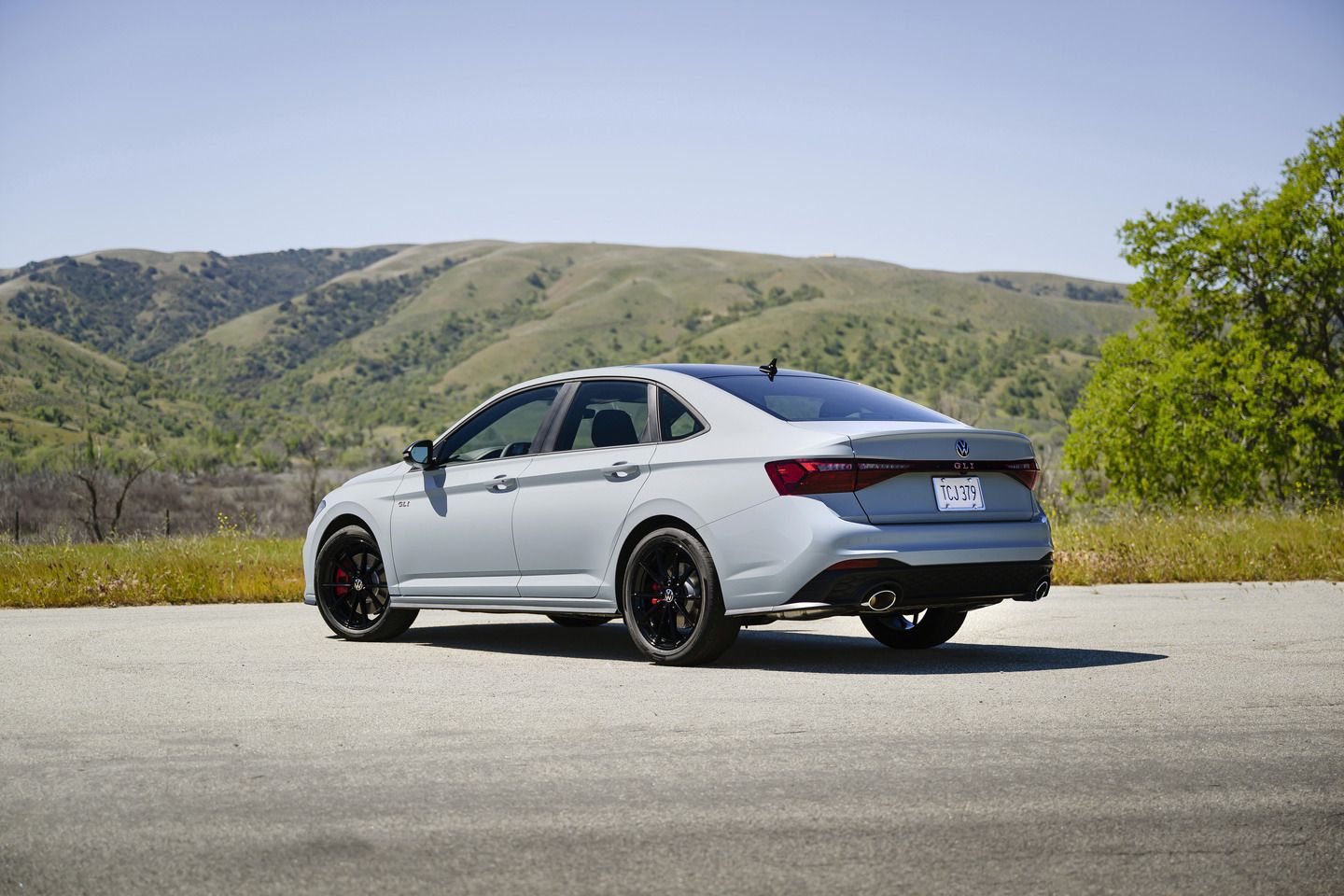
How Much Trunk Space Does the 2026 Volkswagen Jetta Have?
Before you sign anything, you want to know if the trunk actually works for your life, not just the brochure photo. This FAQ walks through what the...
Read morePowered and developed by