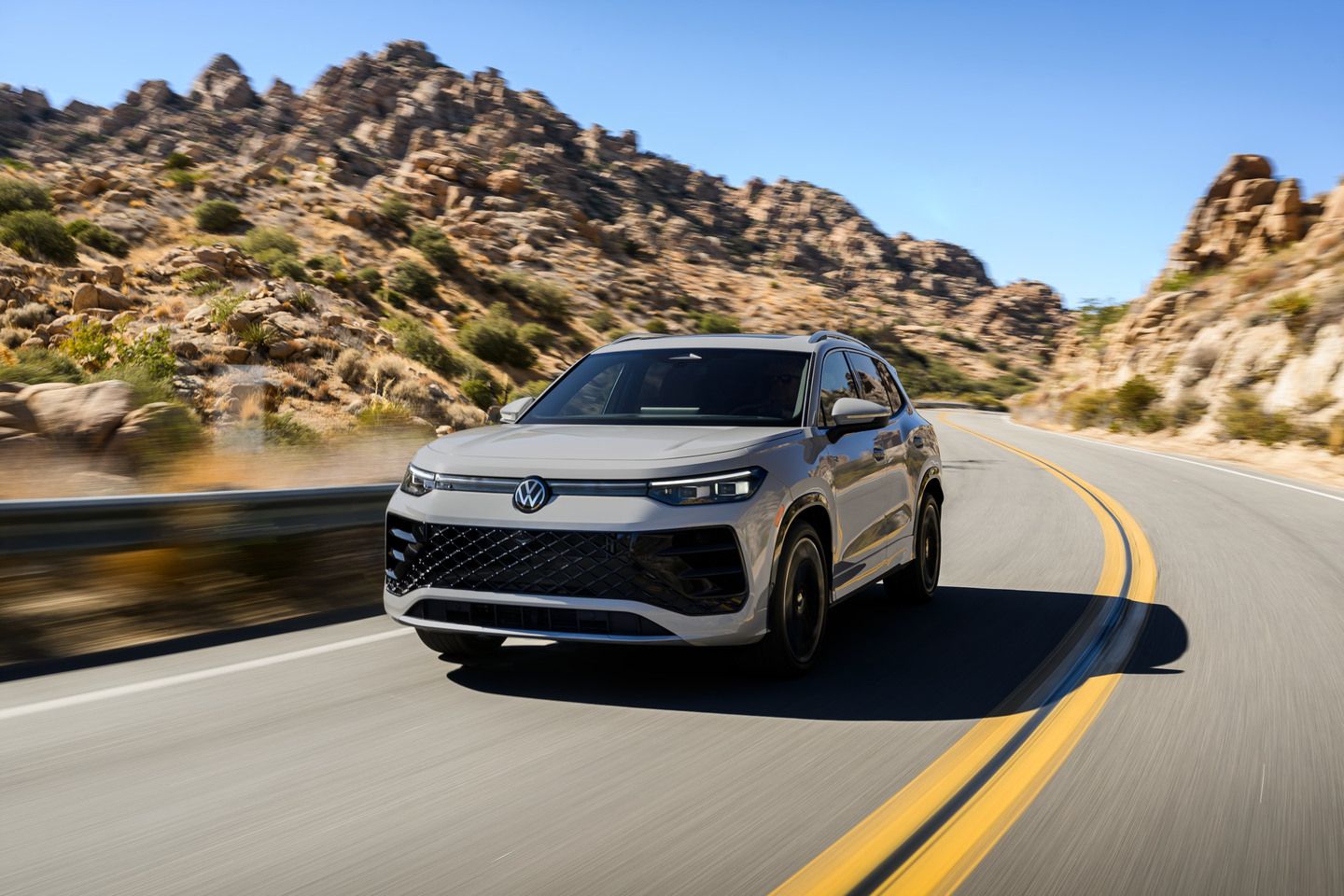
Every 15,000 km: What the 2026 Volkswagen Tiguan’s Service Schedule Involves
A Tiguan asks for a service visit every 15,000 km. For British Columbia drivers juggling wet commutes and weekend drives, that single number is the...
Read more
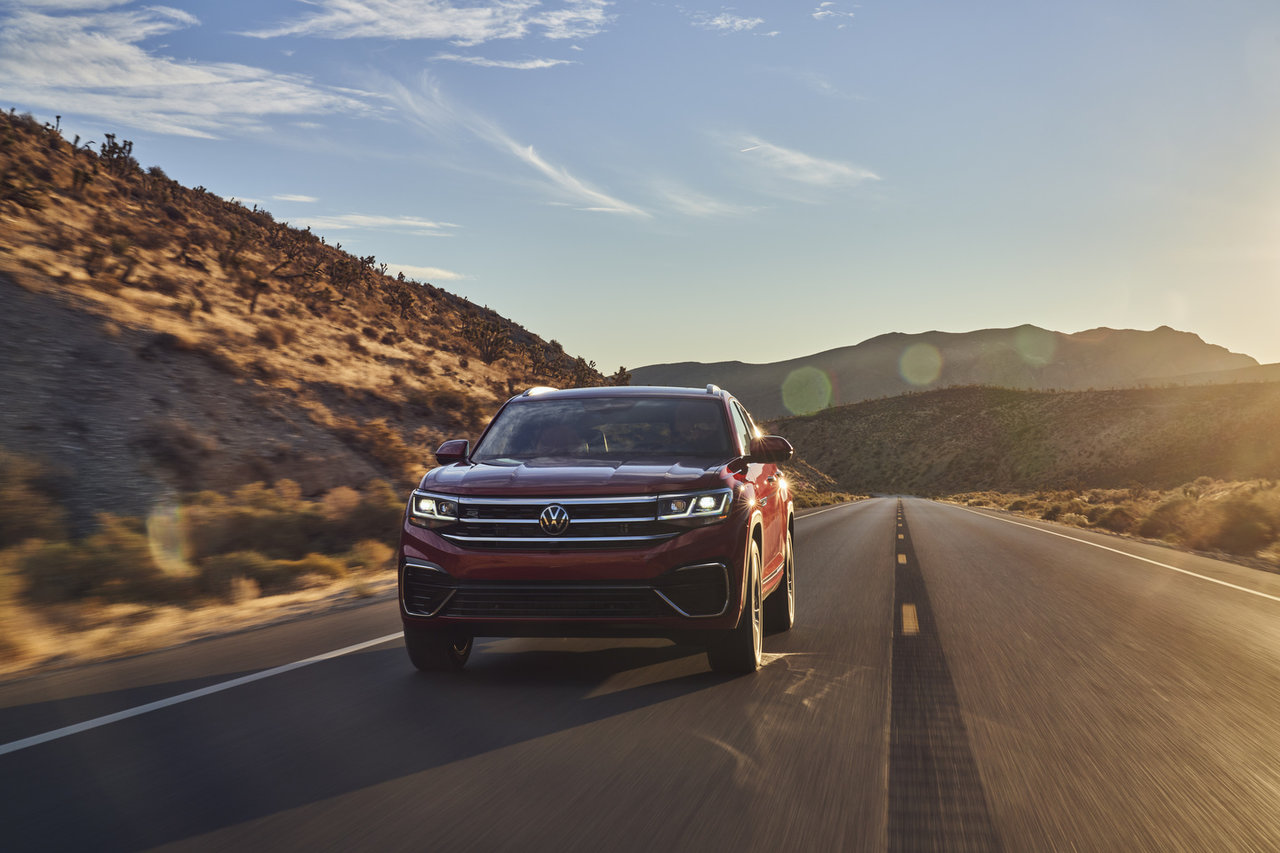
Volkswagen's lineup is definitely one of the most comprehensive in the industry. Every buyer is sure to find something to suit his or her needs, as there are many models to choose from.
In the case of SUVs, it can even get confusing, because there are so many interesting products. It would be easy, for example, to hesitate between an Atlas Cross Sport and a Tiguan. Which one to choose?
To help you see things a little more clearly, here's what differentiates the Atlas Cross Sport from the Tiguan.
Space
When you take a look at the Atlas Cross Sport, you'll quickly realize that it was designed more for eye-catching style than for optimal interior layout. It leaves that distinction to its cousin, the Atlas. It's all relative, though.
A look at the Tiguan reveals a more traditional styling, with a squarer rear end. As a result, you'd think the Tiguan would be more spacious for cargo.
Optical illusion. In fact, because the Atlas Cross Sport belongs to a higher class, its longer wheelbase (2,980 mm vs. 2,790 mm for the Tiguan) means that it offers more space, despite its sloping rear roof. Roughly speaking, behind the second row of seats, we're talking about 1141 liters of volume versus 1065 for the Tiguan. With the second bench lying down, it's 2203 liters with the Atlas Cross Sport, 2081 with the Tiguan.
We agree, it's also excellent with the Tiguan, but it's still more generous with the Atlas Cross Sport. Finally, note that a third bench seat is available as an option with the Tiguan, but the Atlas Cross Sport only offers a five-seat configuration. For seven seats, you'll have to consider the Atlas.
Towing capacity
With the Tiguan, it's possible to tow loads of up to 1,500 pounds. With the Atlas Cross Sport, which can accommodate a powerful 3.6-liter V6 engine, the capacity is at 5,000 pounds. So, if you have such needs, you'll find what you need with the Atlas Cross Sport.
Choice of engine
As we just saw, you have an additional choice on the powertrain side with the Atlas Cross Sport. The 3.6-liter V6 is rated at 276 horsepower and 266 pound-feet of torque, which makes for a sportier, more spirited drive. With the Tiguan, we're limited to the base engine, which is a 2.0-litre turbocharged 4-cylinder that offers 184 horsepower and 221 lb-ft of torque.
It's important to understand that the Tiguan will do better in terms of fuel consumption in all areas. The Tiguan averages 10.6 L/100 km in the city and 8.0 L/100 km on the highway. With the Atlas Cross Sport's turbocharged 4-cylinder engine (235 horsepower and 258 lb-ft of torque), the average is only 11.6 and 9.7 L/100 km, respectively.
As you can see, the differences are enough to automatically direct you to one or the other model, depending on your needs. The good news is that there are no bad choices.
Every 15,000 km: What the 2026 Volkswagen Tiguan’s Service Schedule Involves
A Tiguan asks for a service visit every 15,000 km. For British Columbia drivers juggling wet commutes and weekend drives, that single number is the...
Read more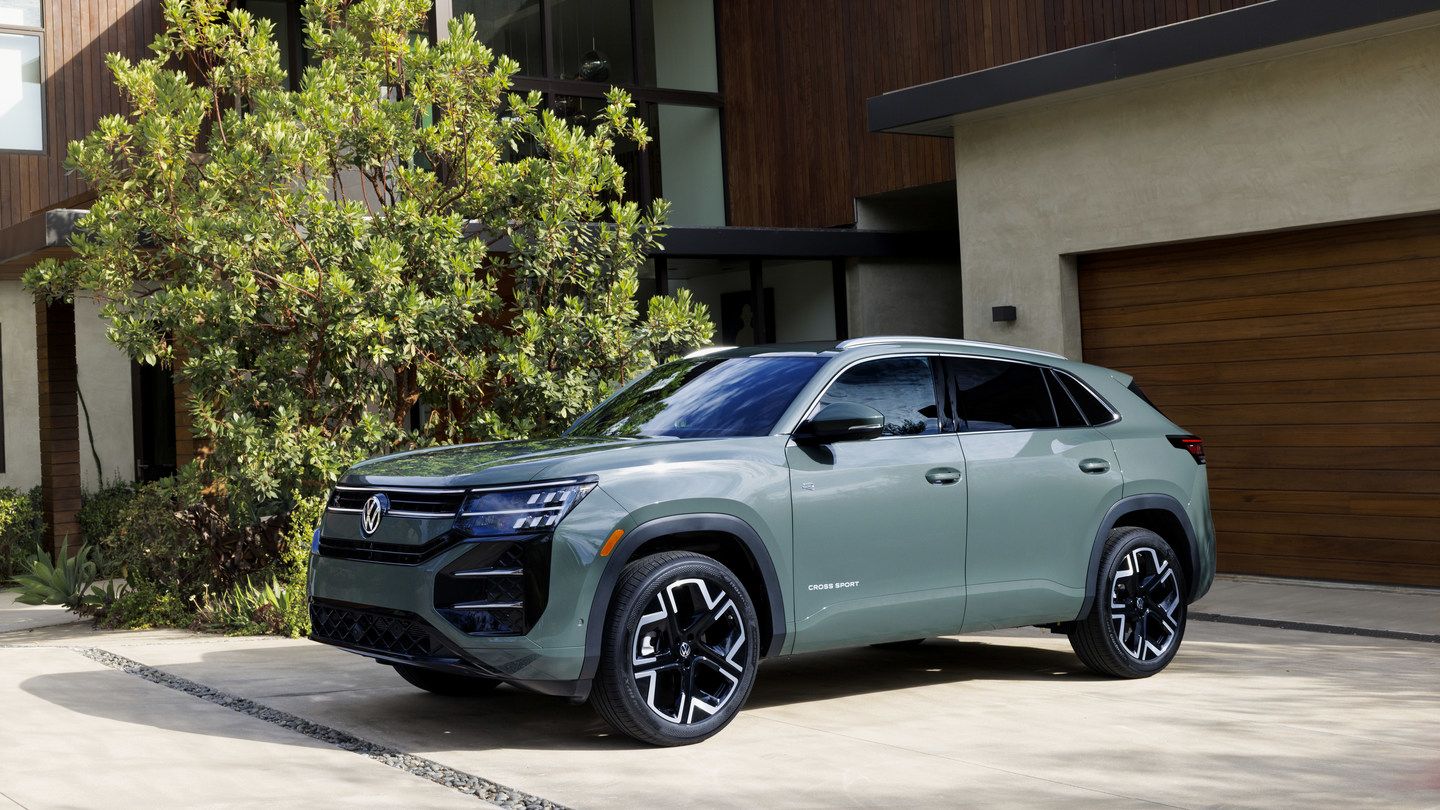
Which 2027 Volkswagen Atlas Cross Sport Trims Get Predictive Adaptive Cruise Control?
British Columbia driving rarely stays on one kind of road for long. A single trip can mix a coastal highway, a mountain pass, and a stretch of...
Read more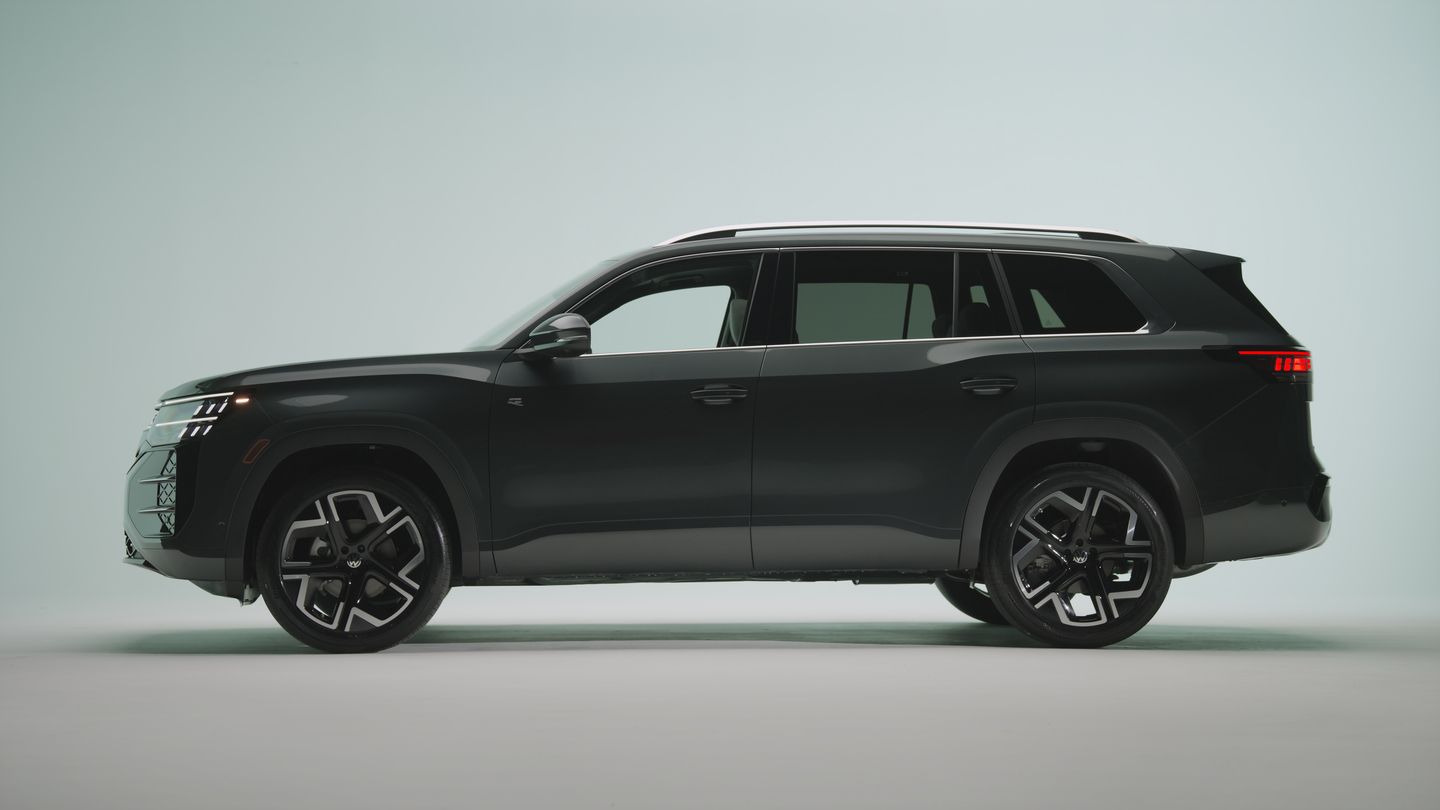
Two Rows or Three: Choosing Between the 2027 Volkswagen Atlas and Atlas Cross Sport
Choosing between the 2027 Volkswagen Atlas and the Atlas Cross Sport comes down to one question every British Columbia family eventually asks: how...
Read morePowered and developed by