Photo for illustrative purposes only.
Find out more
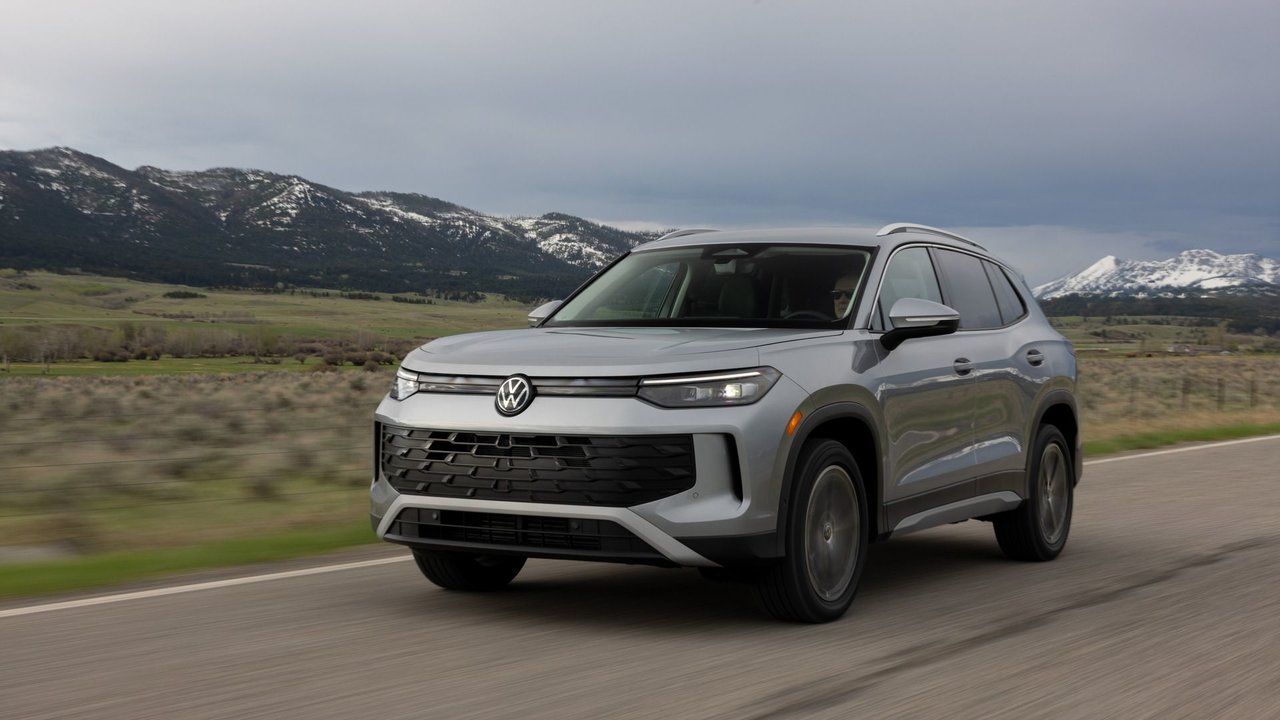
Long highway stretches and stop-and-go commuter traffic ask a lot of a driver’s attention. The 2026 Volkswagen Tiguan’s driver-assist suite is built to lighten that load, so you arrive with more focus left in the tank.
For British Columbia drivers who spend real time on the highway, understanding what this suite actually does, and doesn’t do, makes it easier to judge whether it fits your daily drive.
The 2026 Tiguan’s driver-assist package centres on Travel Assist, which pairs Adaptive Cruise Control with Stop & Go, Lane Assist, and Emergency Assist into one connected system. Front Assist adds Automatic Emergency Braking with pedestrian and cyclist monitoring, while Side Assist brings Active Blind Spot Monitor with Rear Traffic Alert and an exit warning system.
These are standard features on the Tiguan, not scattered options you have to chase across trims. Together they cover the three moments that matter most on a highway commute: keeping distance, holding a lane, and reacting to a sudden slowdown ahead.
Adaptive Cruise Control with Stop & Go manages the gap to the vehicle ahead, easing off and reapplying throttle as traffic speed changes, including full stops in queued highway traffic. Lane Assist works alongside it, applying light steering correction to help keep the Tiguan centred in its lane.
Front Assist watches the road ahead independently of cruise control. If it detects a developing collision risk, it can warn the driver and apply automatic emergency braking. Emergency Assist is the backstop: if the system detects the driver isn’t responding, it can bring the vehicle to a controlled stop.
Side Assist runs its own pass, using Active Blind Spot Monitor to flag vehicles in adjacent lanes and Rear Traffic Alert to catch traffic approaching from behind when backing out or merging. None of these systems drive the Tiguan on their own; they hand off responsibility to the driver whenever conditions change faster than the system can safely manage, like a sudden lane closure or a merging vehicle cutting in tight.

On a multi-lane highway, gap selection and merging are where drivers get worn down, constantly checking mirrors while managing speed. Active Blind Spot Monitor and Rear Traffic Alert give a second set of eyes on the lanes beside and behind the Tiguan, which helps when traffic is moving fast and gaps close quickly.
In heavier traffic, repeated braking and re-accelerating is what wears drivers out over a long commute. Adaptive Cruise Control with Stop & Go absorbs a lot of that repetitive work, smoothing out abrupt speed changes so the driver isn’t riding the pedals through every slowdown.
Rain, dusk, and glare are common conditions on BC highways, and the Tiguan pairs its driver-assist suite with Automatic headlights that include coming- and leaving-home functions and Light Assist, which controls high beams automatically. LED headlights with an Adaptive Front-light System adjust for cornering, and rain-sensing wipers activate without driver input. None of this replaces attentive scanning of the road; it supports it by handling routine adjustments the driver would otherwise have to manage manually.
The standard 10.25-inch Digital Cockpit Pro and 12.9-inch touchscreen (12.9 in on Trendline, 15 in on Highline Turbo R-Line) keep the driving mode, following distance, and lane status visible without forcing a glance away from the road for long. On the Highline Turbo R-Line, a Head-Up Display puts key information directly in the driver’s line of sight.
An organized interface matters as much as the sensors behind it. A cluttered display or buried menu defeats the purpose of assistance systems built to reduce distraction; the Tiguan’s layout keeps the controls a driver actually needs, cruise settings, lane status, driving mode, within easy reach.
Commuters doing repeat highway runs will feel the benefit of Adaptive Cruise Control with Stop & Go most directly, since it’s the system doing the most repetitive work during congestion. Families on longer road trips get the combined benefit of Lane Assist and Side Assist over hours behind the wheel, when fatigue from constant micro-corrections adds up.
Drivers who frequently merge across multiple lanes, whether commuting or navigating unfamiliar routes, will lean on Active Blind Spot Monitor and Rear Traffic Alert the most. The suite is built for drivers who want support without added complexity, not a system that requires learning a new set of habits.
The 2026 Tiguan’s driver-assist suite is standard equipment built around three tasks: managing following distance, holding a lane, and reacting to sudden risks ahead. Together with automatic lighting and a clear cockpit layout, it’s designed to support attentive driving, not replace it.
Visit Journey Volkswagen in Coquitlam to see how these features behave on a local highway, ask our team how the suite responds in everyday British Columbia traffic, and book a test drive to feel the support for yourself.
Photo for illustrative purposes only.
Find out more
Every 15,000 km: What the 2026 Volkswagen Tiguan’s Service Schedule Involves
A Tiguan asks for a service visit every 15,000 km. For British Columbia drivers juggling wet commutes and weekend drives, that single number is the...
Read more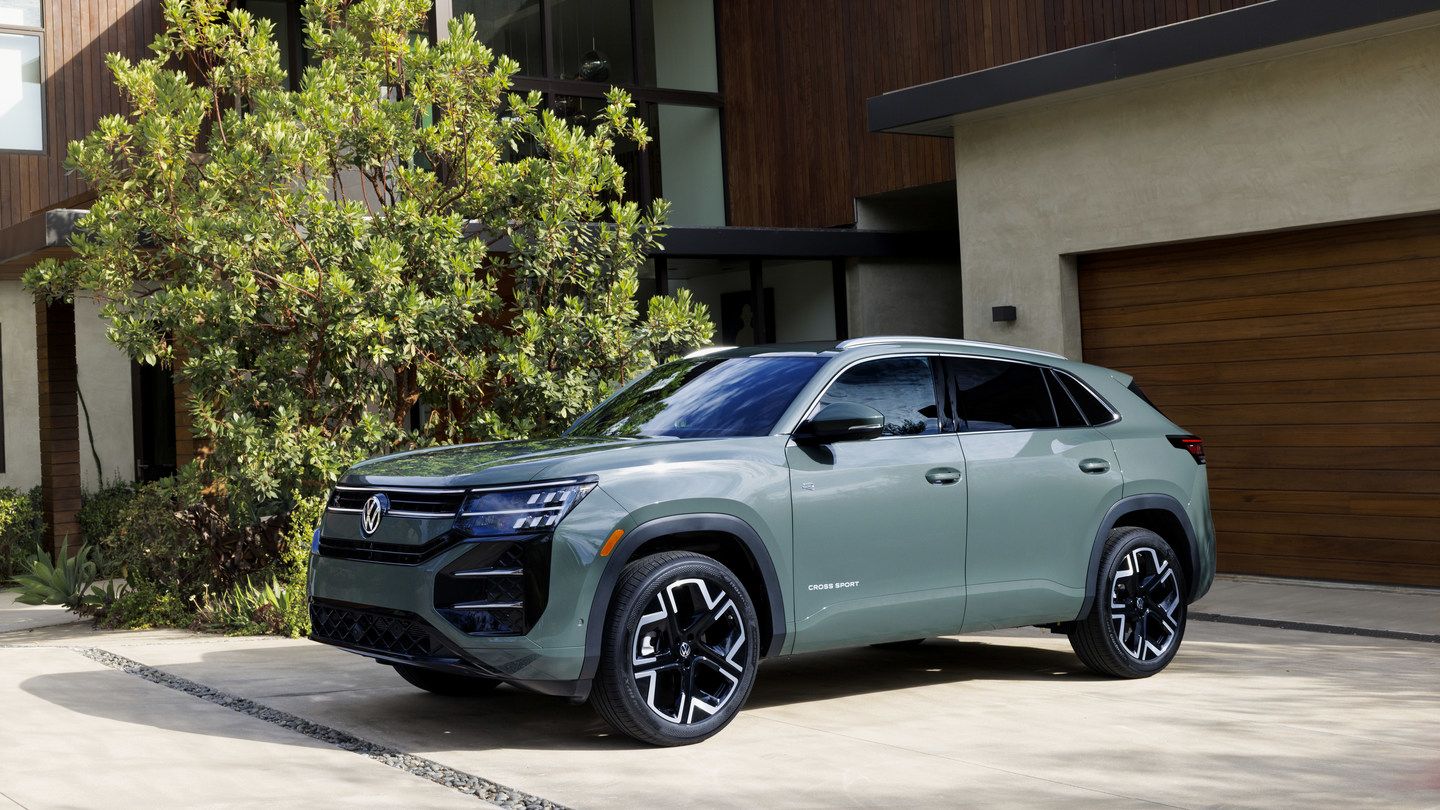
Which 2027 Volkswagen Atlas Cross Sport Trims Get Predictive Adaptive Cruise Control?
British Columbia driving rarely stays on one kind of road for long. A single trip can mix a coastal highway, a mountain pass, and a stretch of...
Read more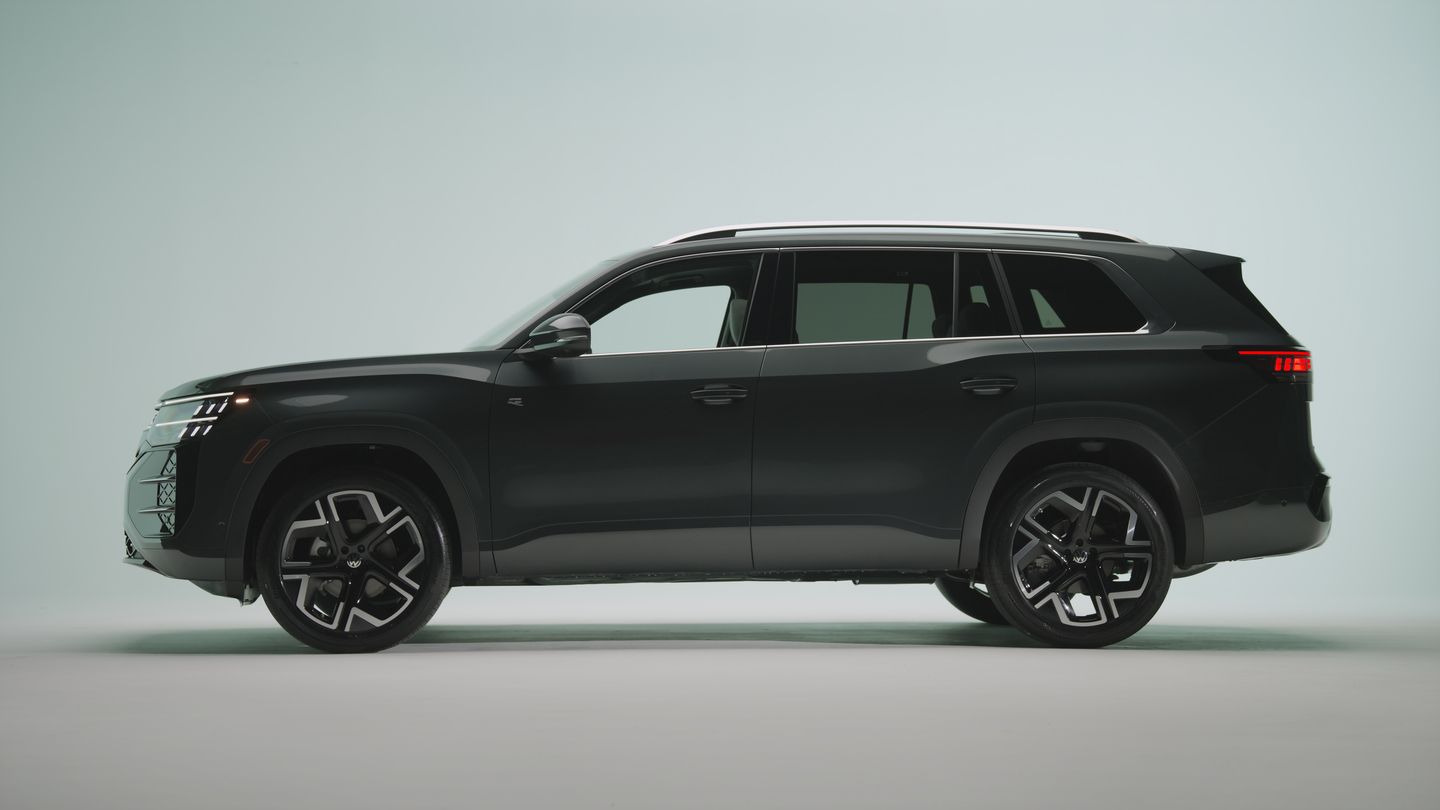
Two Rows or Three: Choosing Between the 2027 Volkswagen Atlas and Atlas Cross Sport
Choosing between the 2027 Volkswagen Atlas and the Atlas Cross Sport comes down to one question every British Columbia family eventually asks: how...
Read morePowered and developed by