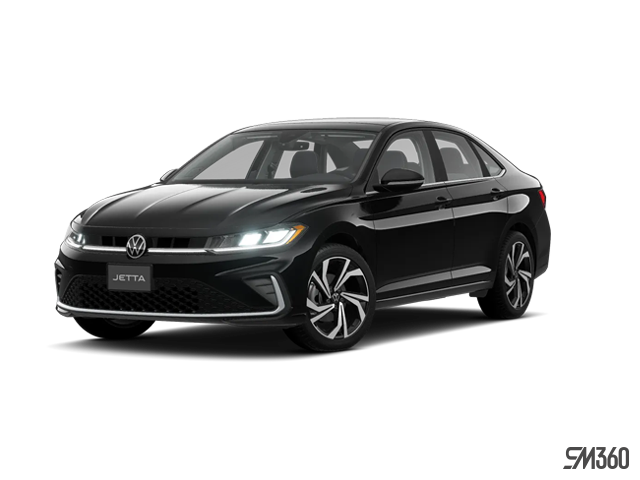
Photo for illustrative purposes only.
Find out more
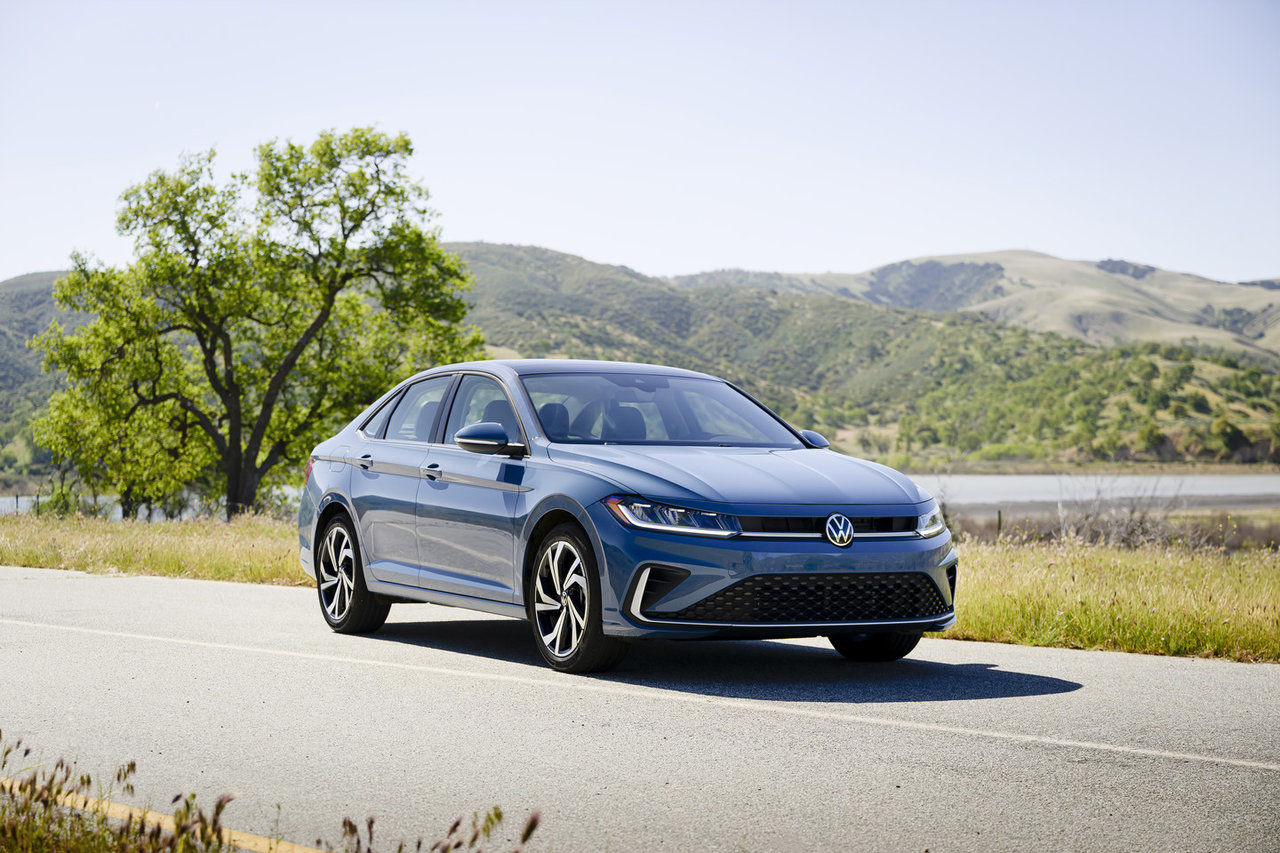
Winter driving in British Columbia presents unique challenges for fuel efficiency. With temperatures dropping and road conditions becoming more demanding, your 2025 Volkswagen Jetta's impressive 7.4 L/100 km combined fuel economy rating can be affected by seasonal factors.
The good news is that your Jetta's advanced German engineering, including its efficient 1.5 TSI turbocharged engine and 8-speed automatic transmission, provides an excellent foundation for maintaining strong fuel economy performance. Here are three proven strategies to help you maximize your Jetta's efficiency during the cold months ahead.
Maximize Your Jetta's ECO Driving Mode
Your 2025 Jetta comes equipped with an ECO driving mode that optimizes various vehicle systems for maximum efficiency. This intelligent system adjusts throttle response and transmission shift points to prioritize fuel economy. During winter conditions, ECO mode becomes even more valuable as it helps manage power delivery smoothly on slippery surfaces. By utilizing this built-in feature, you're not just saving fuel – you're also ensuring more controlled acceleration when road conditions are less than ideal. The system works in harmony with the Jetta's speed-sensitive power steering to provide the right balance of efficiency and control.
Leverage Your Digital Cockpit for Real-Time Efficiency
The Volkswagen Digital Cockpit (8.0-inch standard, or 10.25-inch Pro on higher trims) provides real-time feedback on your driving efficiency. This advanced display system allows you to monitor your fuel consumption patterns and adjust your driving style accordingly. Pay special attention to the regenerative braking indicator – this system helps recapture energy during winter braking situations, which are typically more frequent. By staying informed through your Digital Cockpit's data, you can make small adjustments to your driving style that add up to significant fuel savings over time.
Maintain Optimal Tire Pressure for Winter Efficiency
Your Jetta's Indirect Tire Pressure Monitoring System is more than just a safety feature – it's a key tool for maintaining optimal fuel economy. Winter temperatures can cause tire pressure to drop, increasing rolling resistance and fuel consumption. The system actively monitors your tire pressure and alerts you when adjustments are needed. Proper tire inflation becomes even more critical when switching to winter tires, which are mandatory in many British Columbia regions. Maintaining the recommended pressure levels not only improves fuel efficiency but also ensures better handling and traction in winter conditions.
Your 2025 Volkswagen Jetta combines efficiency with winter-ready performance, giving you the tools you need to maintain excellent fuel economy year-round. By implementing these strategies, you can help ensure your Jetta maintains its impressive efficiency even during challenging winter conditions.
Visit Journey Volkswagen of Coquitlam to learn more about maximizing your Jetta's winter performance and efficiency. Our factory-trained technicians can help ensure your vehicle is optimized for the season ahead.
Photo for illustrative purposes only.
Find out more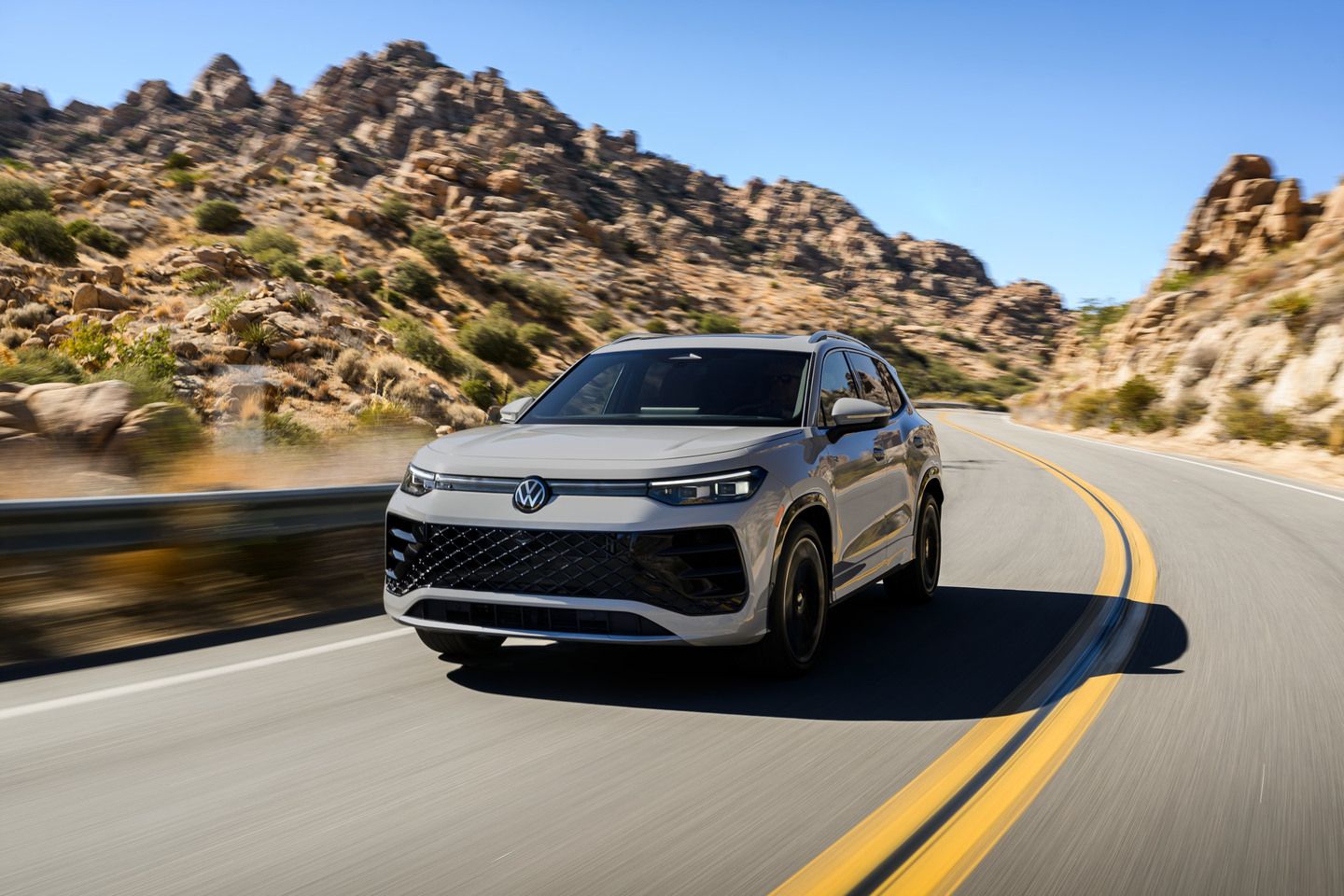
Every 15,000 km: What the 2026 Volkswagen Tiguan’s Service Schedule Involves
A Tiguan asks for a service visit every 15,000 km. For British Columbia drivers juggling wet commutes and weekend drives, that single number is the...
Read more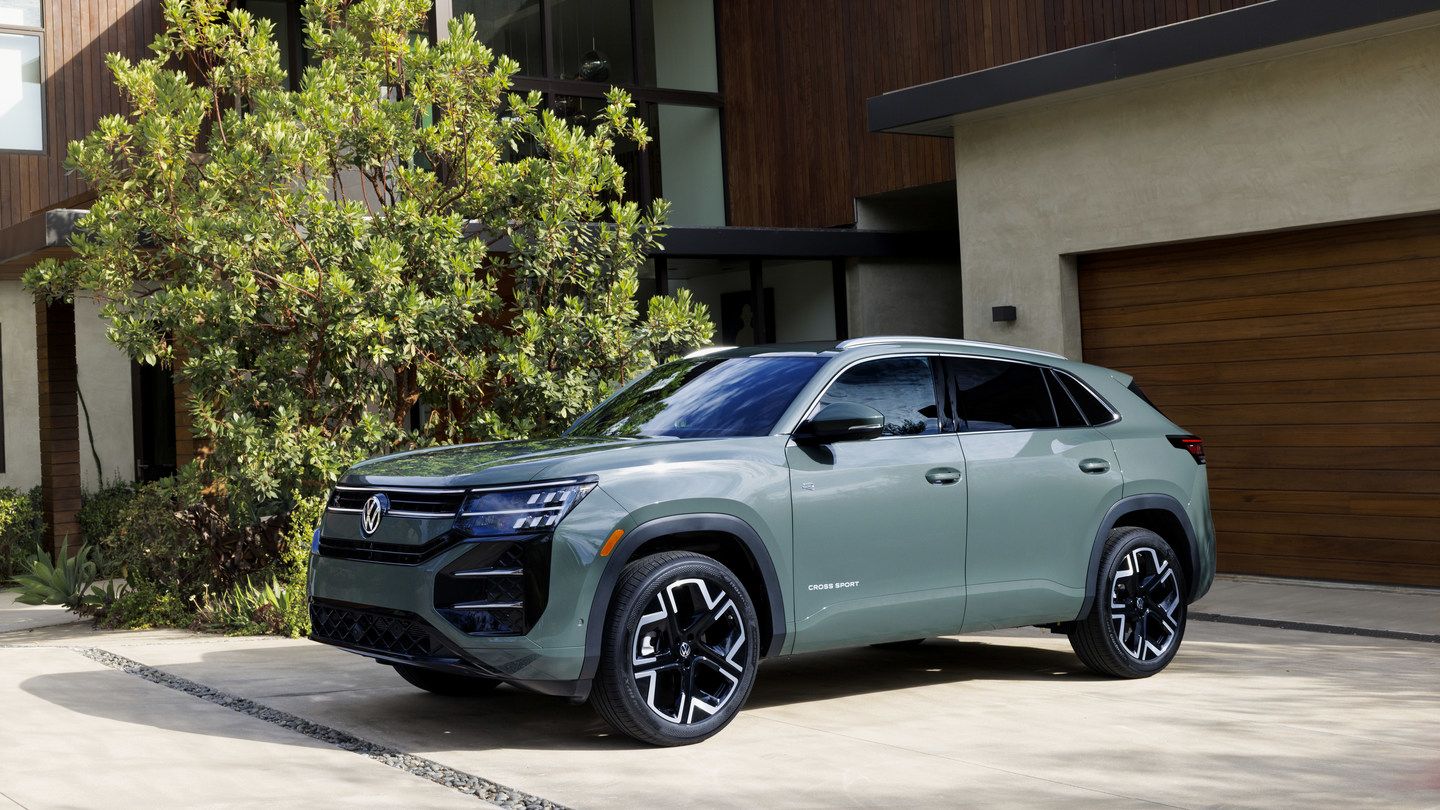
Which 2027 Volkswagen Atlas Cross Sport Trims Get Predictive Adaptive Cruise Control?
British Columbia driving rarely stays on one kind of road for long. A single trip can mix a coastal highway, a mountain pass, and a stretch of...
Read more
Two Rows or Three: Choosing Between the 2027 Volkswagen Atlas and Atlas Cross Sport
Choosing between the 2027 Volkswagen Atlas and the Atlas Cross Sport comes down to one question every British Columbia family eventually asks: how...
Read morePowered and developed by