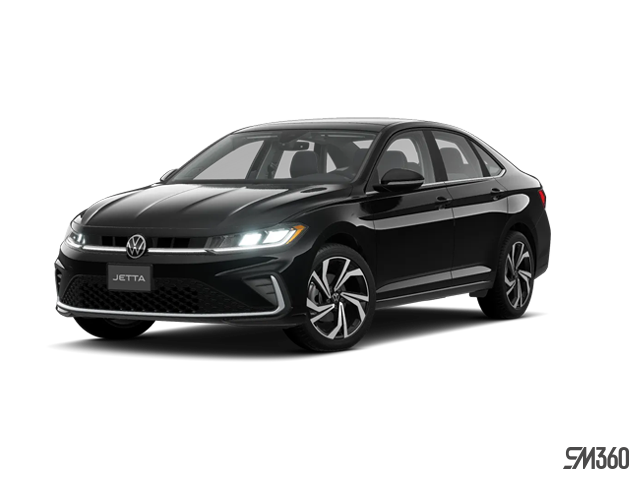
Photo for illustrative purposes only.
Find out more
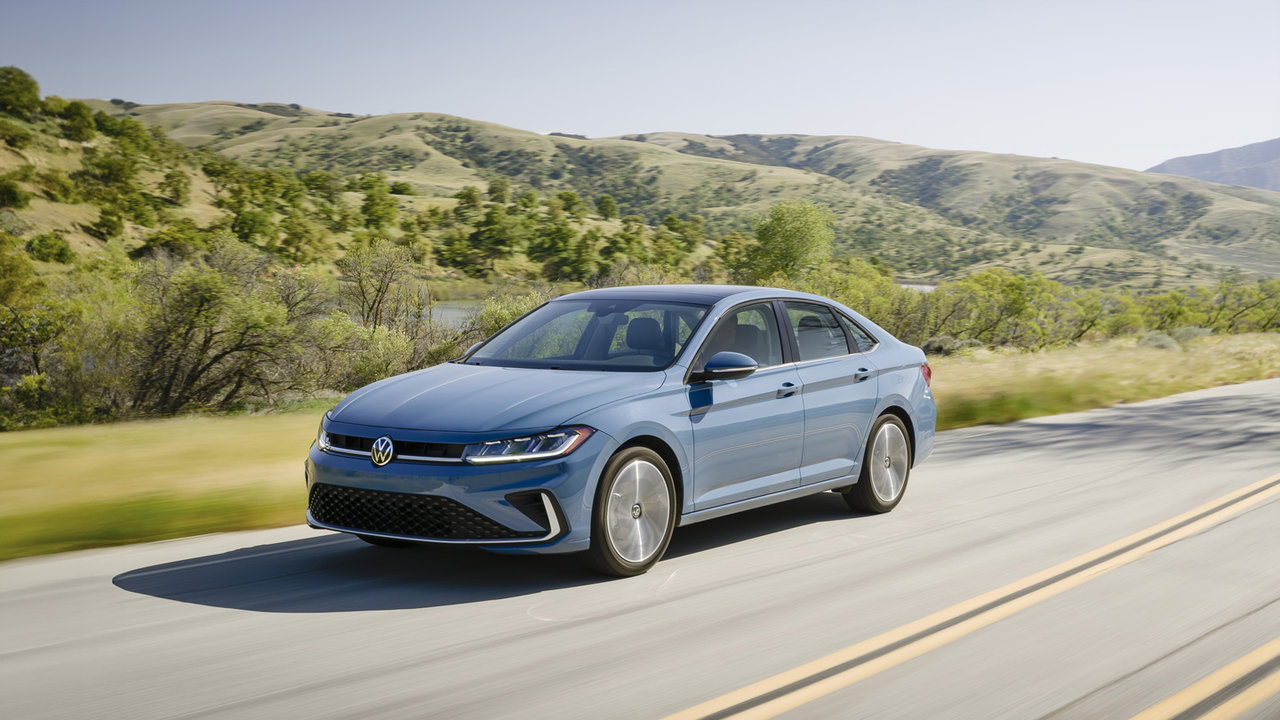
Fuel economy numbers on a window sticker can feel like a foreign language. City, highway, combined: three figures, one car, and no clear sense of which one actually applies to your week.
If you’re cross-shopping the 2026 Volkswagen Jetta for a mix of commuting and longer trips around British Columbia, understanding what each rating measures makes the spec sheet a lot more useful.
Fuel consumption ratings come from standardized testing set by Natural Resources Canada, not from a single real drive. Each rating simulates a different driving pattern so shoppers can compare vehicles on the same terms.
The city rating simulates stop-and-go conditions: frequent braking, idling, and acceleration from a stop. The highway rating simulates steady-speed cruising with fewer interruptions. Combined blends the two into one figure meant to represent typical mixed use.
For the 2026 Jetta’s entry Trendline trim with the 8-speed automatic, the city rating is 8.2 L/100 km, the highway rating is 5.9 L/100 km, and the combined figure is 7.2 L/100 km. These are lab-tested estimates, not a guarantee of what you’ll see at the pump.
Stop-and-go conditions are where the city rating lives, and that covers a lot of ordinary driving: commuting through traffic signals, running errands, and short trips across town. Every stop and restart asks more of the engine than steady cruising does.
Several things can push city consumption above or below the rated 8.2 L/100 km. Cold starts, heavy traffic, aggressive acceleration, extra cargo weight, and worn tires all raise consumption. Smooth, gradual acceleration and lighter loads help bring it back down.
If most of your driving is short trips with frequent stops, the city figure is the more realistic number to plan around, not the combined or highway rating.
Highway driving keeps the engine at a steadier speed with far less braking and accelerating, which is why the Jetta’s highway rating of 5.9 L/100 km comes in lower than its city figure. Fewer stops mean less energy spent restarting the vehicle’s momentum.
This rating is the better reference point for regular freeway driving or longer regional trips, where the vehicle spends most of its time at a consistent cruising speed rather than in traffic. A driver doing frequent longer-distance travel around British Columbia will generally see numbers closer to this figure than to the city rating.

Most drivers don’t do purely city or purely highway driving. The combined rating, 7.2 L/100 km on the Trendline, exists to bridge that gap, blending city and highway test results into a single estimate for mixed-use ownership.
It’s the most useful single number if your week includes both a commute and the occasional longer drive, since it doesn’t lean entirely on either extreme. Treat it as a general planning figure rather than a promise: actual results still depend on how, where, and in what conditions you drive.
Lab ratings hold conditions constant; your driveway doesn’t. Driver habits, traffic patterns, weather, cargo load, and a vehicle’s mechanical condition all affect the fuel consumption you’ll actually see day to day.
Trim and equipment choices matter too. Wheel and tire size shift slightly across the lineup: the Trendline rides on 16-inch wheels with 205/60 R16 tires, Comfortline steps up to 17-inch wheels with 205/55 R17 tires, and Highline moves to 18-inch wheels with 225/45 R18 tires. Larger wheel-and-tire packages typically add rolling resistance, which can nudge consumption slightly compared with the entry setup.
The Trendline’s 1.5 L turbocharged 4-cylinder makes 158 hp and 184 lb-ft of torque, paired exclusively with an 8-speed automatic. That’s the efficiency-focused end of the Jetta lineup.
The performance-oriented GLI runs a larger 2.0 L turbocharged engine making 228 hp and 258 lb-ft of torque, and its fuel-use figures reflect that extra output. With the 6-speed manual, the GLI is rated at 9.1 L/100 km city and 6.5 L/100 km highway. With the 7-speed automatic DSG, it’s rated at 9.5 L/100 km city and 6.7 L/100 km highway.
|
Trim / Transmission |
City (L/100 km) |
Highway (L/100 km) |
|
Trendline, 8-speed automatic |
8.2 |
5.9 |
|
GLI, 6-speed manual |
9.1 |
6.5 |
|
GLI, 7-speed automatic DSG |
9.5 |
6.7 |
Transmission choice shapes what a GLI shopper should expect: the manual rates slightly more efficient in both city and highway testing than the automatic DSG. That’s a real consideration for anyone leaning toward the GLI who also wants to keep consumption closer to the standard Jetta’s numbers.
A driver focused on efficient daily commuting and lower running costs will find the Trendline’s numbers, and its 8-speed automatic, the more predictable choice. A driver who wants stronger acceleration and doesn’t mind a modest efficiency trade-off will find the GLI’s output justifies its higher ratings, especially if the manual transmission is on the table.
Either way, the Jetta’s packaging stays consistent across the lineup: seating for five, 399 L of cargo space behind the rear seats, and a compact sedan footprint that’s easy to park and live with daily. Efficiency numbers matter, but so does whether the car actually fits your routine, your gear, and your passengers.
The 2026 Jetta’s city, highway, and combined ratings each describe a different kind of driving, and knowing which one matches your routine makes the spec sheet actually useful instead of just a wall of numbers.
Visit Journey Volkswagen in Coquitlam to talk through Jetta trim differences, transmission options, and which fuel-use profile fits how you actually drive day to day.
Photo for illustrative purposes only.
Find out more
Which 2027 Volkswagen Atlas Cross Sport Trims Get Predictive Adaptive Cruise Control?
British Columbia driving rarely stays on one kind of road for long. A single trip can mix a coastal highway, a mountain pass, and a stretch of...
Read more
Two Rows or Three: Choosing Between the 2027 Volkswagen Atlas and Atlas Cross Sport
Choosing between the 2027 Volkswagen Atlas and the Atlas Cross Sport comes down to one question every British Columbia family eventually asks: how...
Read more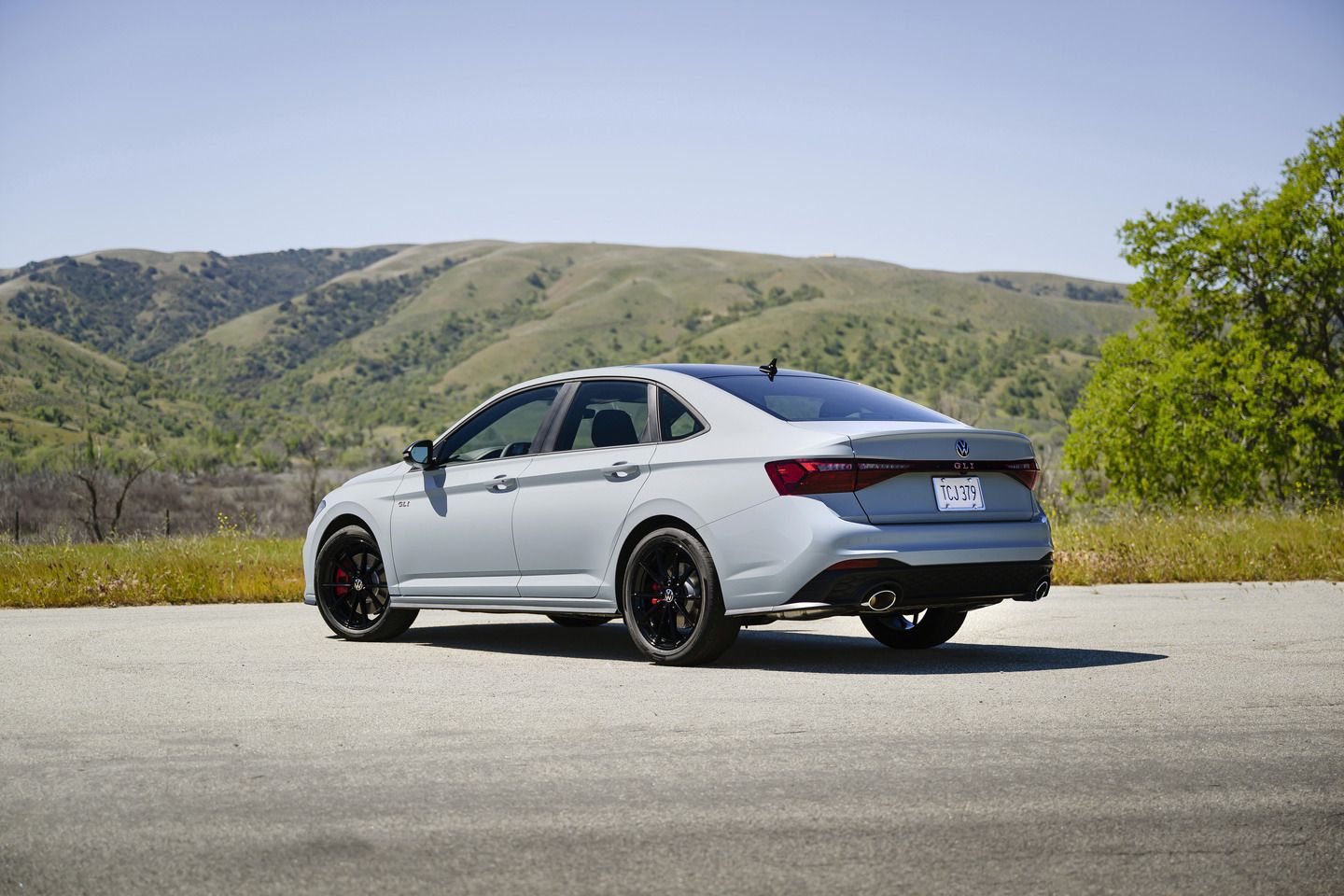
How Much Trunk Space Does the 2026 Volkswagen Jetta Have?
Before you sign anything, you want to know if the trunk actually works for your life, not just the brochure photo. This FAQ walks through what the...
Read morePowered and developed by